


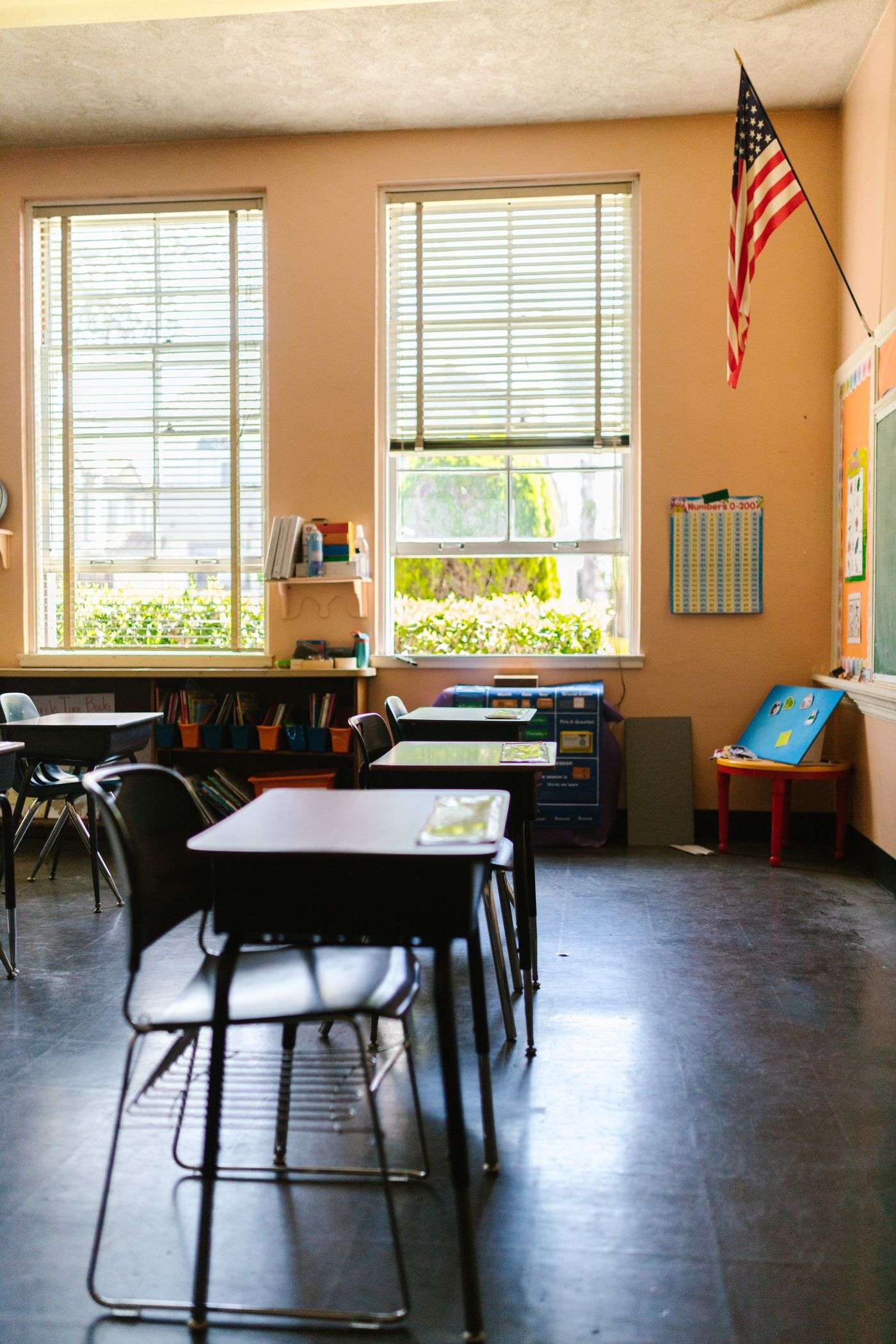
For Muslim families in America
My Child Is the Only Muslim in Class: How Can I Help Them Feel Confident?
When your child is the only Muslim in their American classroom, even mentioning Eid can feel intimidating. Here’s how parents and teachers can build confidence gently, without pressure.
 By Ustadh Islam Awny
Quick answer
If your child is the only Muslim in an American classroom, listen to what makes them uncomfortable rather than pushing them to represent Islam. Let them decide how to discuss Eid or Ramadan, practise a simple response together and contact their teacher if classmates are unkind. Belonging and faith can go together.
When your child is the only Muslim in their American classroom
An All About Me poster sounds simple. But if every classmate writes about a different holiday, a Muslim child may worry that writing “Eid” or “Ramadan” will make everyone stare.
Some children enjoy answering questions about Islam. Others would rather blend in, especially when they’re young. A child can love their religion and still feel unsure about talking about it in front of classmates. The goal isn’t to turn them into a spokesperson. It’s to help them feel safe, included, and comfortable being themselves.
FROM OUR TEACHERS
He rubbed Eid off his All About Me poster
Ustadh Islam Awny
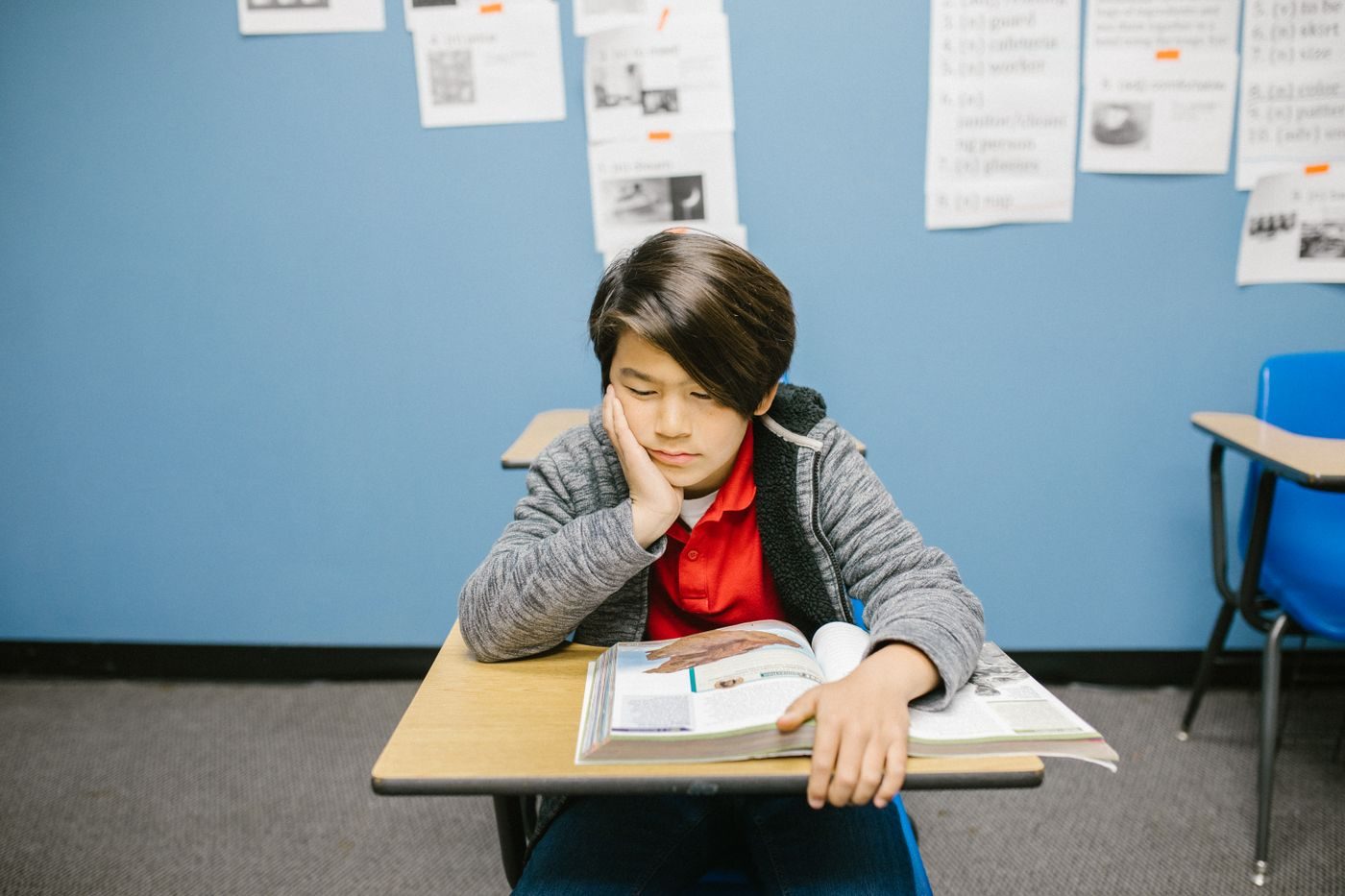
A boy in an American elementary school described an All About Me assignment. He had started writing Eid among his family’s celebrations, then erased it because he thought the other children might ask questions. He wasn’t ashamed of his faith; he just didn’t want the whole class looking at him.
I asked him whether he wanted to include Eid or would rather share something else about himself. Then we practised one easy sentence he could use if someone asked. I also suggested that his parents talk to his teacher if he felt singled out or if classmates were unkind. The important thing was to offer support, not turn the poster into a test of religious confidence.
Children can love Islam and still want an ordinary school day. I learned to give him a choice before giving him a speech.
What this story teaches us
01
Confidence grows through choice
A child should be free to choose whether and how to mention Eid, rather than being pushed into making a public statement.
02
Belonging doesn’t require sameness
Soccer, games, and friendship can be shared with classmates while Ramadan, prayer, and Eid remain important parts of family life.
03
A child’s school experience matters
Parents and teachers can make room for difference without making one child represent an entire religion.
Five gentle ways parents can help
- Ask before advising. Try “What made you feel uncomfortable?” rather than assuming your child is rejecting Islam.
- Make room for feelings. Being different can feel lonely, even when your child has friends and enjoys school.
- Offer language, not a script. If your child wants to explain Eid, help them practice a short sentence — but don’t require them to answer every question.
- Talk to the classroom teacher. Explain what your child is experiencing and ask for inclusive activities that don’t put them on the spot.
- Take repeated teasing seriously. Record what your child shares and raise concerns with school staff rather than asking them to handle bullying alone.
For related advice on school friendships and Muslim identity, read how to raise confident Muslim kids in American schools.
Instead of putting your child under pressure, try this
A few small changes in what you say can help children feel supported instead of tested.
Instead of: “Tell everyone you’re proud to be Muslim!”
Try: “Would you like to tell me what feels uncomfortable at school?”
Instead of: “You have to explain Eid to the class.”
Try: “If you want to mention Eid, let’s practice one easy sentence together.”
Instead of: “You’re worrying about nothing.”
Try: “It makes sense to feel nervous when you’re the only one. I’m here to listen.”
Instead of: “Just ignore the kids who tease you.”
Try: “Tell me what happened. If someone is mocking or bullying you, we’ll speak with the school together.”
Three simple activities to build confidence at home
- Two circles: Make one list of things your child shares with classmates, such as soccer or favorite foods, and another of things that make their family life special, such as Eid or prayer. Talk about how both lists can belong to the same person.
- One-sentence Eid practice: If your child wants to share, rehearse “Eid is our Muslim holiday,” then let them decide whether to use it.
- My choices poster: Make a small poster about family, hobbies, and celebrations. Let your child choose what they share — and what they keep private.
Keep the activities light. Confidence grows more naturally when children have choices, not a speech they must perform.
What should you say to your child’s teacher?
You can explain that your child is the only Muslim in class and sometimes feels self-conscious during holiday or identity activities. Ask the teacher to make space for different family traditions, without asking your child to answer questions for all Muslim people.
If you suspect repeated teasing, discriminatory treatment, or bullying, describe the specific incidents and follow the school’s reporting process. The priority is helping your child feel safe and supported, not expecting them to confront other children alone.
Your child doesn’t have to choose between belonging and faith
A Muslim child can play soccer, laugh with classmates, enjoy school, and still celebrate Ramadan and Eid at home. They do not have to be exactly like everyone around them, and they do not need to defend their identity all day.
The boy in Ustadh Islam’s story didn’t suddenly become a public speaker. He simply reached a point where writing “Eid” felt like his own choice. The confidence to decide what to share is worth protecting.
The goal is a child who respects others, feels respected in return, and knows that being Muslim is a beautiful and natural part of who they are.
Image sources: American classroom and boy at school by RDNE Stock project / Pexels; boy at mosque by Mohammad Ramezani / Pexels. Teacher portrait: Muslim Teachings Academy official teacher profile.