Raising Confident Muslim Children in British Schools: A Practical Guide for Parents
For Muslim families in Britain
Raising Confident Muslim Children in British Schools: A Practical Guide for Parents
By Ustadh Omar Saeed
Quick answer
To help Muslim children feel confident at British schools, ask what matters to them before suggesting a response. Whether the issue is a preferred name or faith, practise one polite sentence and involve school staff when support is needed. Confidence grows through being heard.
How can Muslim children feel secure in their identity at school?
Not every school question needs a speech about faith. Sometimes children simply need confidence that they can express what matters to them and be heard.
FROM OUR TEACHERS
He answered to Ray, but wanted his full name back
Ustadh Omar Saeed
A boy told me that nearly everyone at school called him Ray instead of Abdurrahman. I assumed he was comfortable with it until he said he sometimes wished people would try his full name. He wasn’t asking to make a complaint. He was wondering whether correcting people would sound rude.
We practised a few sentences he might use, including “I prefer Abdurrahman. I can help you say it.” I also told him that if he genuinely liked a nickname, that choice was his. I didn’t want to turn his name into another burden or ask him to speak on behalf of his religion.
It was a small conversation, but it reminded me that confidence can begin with giving a child permission to say what he prefers and helping adults listen.
What this story teaches us
Listen first
Find out which name your child actually prefers.
Practise kindly
Role-play a short, polite response without turning it into a test.
Offer support
Help children approach school staff when needed and take bullying seriously.
Practical tips for parents
Ask your child what they prefer to be called. Practise saying, “I prefer Abdurrahman. I can help you say it.” Listen carefully when they describe awkward school situations, and speak to school staff if repeated bullying occurs.
Instead of / Try
Instead of
Try
“Just be strong.”
“Would you like to tell me what happened?”
“Explain everything about Islam.”
“It’s okay not to know. We can learn together.”
Try this at home
Practise name pronunciations, short answers about Eid, and a daily conversation about one happy or uncomfortable school moment.
Written by
Ustadh Omar Saeed — Quran teacher, Muslim Teachings Academy
Christmas and Nativity Plays at UK Primary Schools: A Muslim Parent’s Guide
For Muslim families in Britain
Christmas and Nativity Plays at UK Primary Schools: A Muslim Parent’s Guide
What should Muslim parents do when their child’s school announces a Christmas nativity play? A thoughtful guide to beliefs, school conversations and helping children feel they still belong.
By Ustadha Shaimaa Wagdy
Quick answer
If your child’s UK primary school announces a nativity play, ask what the role, script and songs involve before deciding. Listen to your child’s feelings, discuss your family’s religious boundaries and seek appropriate guidance if needed. A respectful conversation with the school may reveal suitable alternatives.
Your child has been chosen for the nativity play. What should you do?
In many primary schools across Britain, the end of the autumn term brings Christmas songs, costumes, assemblies and nativity plays. For Muslim parents, one invitation can raise a difficult question: how do we stay true to our beliefs while protecting our child’s sense of friendship and belonging?
Start by asking the school what the activity actually involves. Find out your child’s role, lines, songs and whether the event is a religious portrayal or a more general school activity. Talk to your child about their feelings. If a part conflicts with your family’s religious convictions, ask about a suitable alternative; seek guidance from a trusted scholar when you need a religious ruling. A calm conversation is usually more helpful than a rushed yes or no.
The aim isn’t to make a seven-year-old choose between Islam and their friends.
It’s to help them understand their beliefs, feel respected at school and learn how to respect others.
Photo: Dagmara Dombrovska / Pexels.
FROM OUR TEACHERS
The nativity role she was excited to tell her mum about
Ustadha Shaimaa Wagdy
A parent asked me how to speak to her daughter after the school offered the girl a part in a Christmas nativity play. The child had been pleased to be chosen, while the parent was uneasy about the religious nature of the role. What troubled me was how quickly an adult disagreement could make the girl feel that she had done something wrong.
I suggested beginning with the actual letter from the school. What would the children say or sing? Was the part a religious portrayal? Before making a decision, the family needed those details and, where appropriate, religious guidance they trusted. We also talked about how to explain the decision to the child without criticising her classmates or making her feel excluded.
The practical goal was a respectful conversation with the school and a child who still felt heard. An alternative school activity might help, but it needed to be agreed with the school rather than assumed.
Three lessons from this experience
01
Understand the activity first
Ask for the script, lyrics, role and purpose. A learning activity is not always the same as performing a religious role.
02
Protect your child’s sense of belonging
Give your child time to share what matters to them: friends, being chosen, costumes or contributing to the school.
03
Help school find a respectful way forward
Raise concerns early and ask whether a suitable non-religious task or another form of involvement is possible.
Not every December school activity is the same
For Muslim families, the key question is not simply whether an event happens at Christmas. It is what children are learning, saying or doing. A lesson that explains Christian beliefs, a dramatisation of the nativity story, a seasonal craft session and an act of collective worship are not interchangeable.
Learning about beliefs: understanding what other religions teach can help children respect classmates without adopting those beliefs.
Religious performances: lines, characters, hymns and prayers matter. Ask what your child would be asked to say or portray.
General school or winter activities: an activity without religious content may raise different questions from a religious service or nativity drama.
Families may reach different decisions about specific events. If you need a religious ruling about the role or performance, consult a trusted scholar who understands the details; an article cannot replace that individual guidance.
Photo: Skylar Kang / Pexels.
Six questions to ask the school before a nativity play
Ask early, preferably before rehearsals begin. You can be warm and appreciative while being clear about what you need to understand.
01 · The role
What character or task has my child been assigned? What exact words would they say?
02 · Songs and prayers
Could we please see the lyrics or prayers before rehearsals begin?
03 · The kind of activity
Is this a performance, a Religious Education lesson, an act of collective worship, or a separate celebration?
04 · Alternatives
Is there a suitable backstage, artwork, technical, welcoming or organisational role?
05 · The child’s experience
How can we explain the change without singling my child out in front of their classmates?
06 · Time and communication
Could we discuss this before rehearsals so my child has time to adjust?
What does the law say about nativity plays in English schools?
A note on school rights in England
In England, parents have a recognised right to request withdrawal from Religious Education (RE), and separate rules allow withdrawal from collective worship. But a school nativity performance is not automatically the same thing as an RE lesson or an act of worship. What applies to a particular activity depends on its content, context and the school’s arrangements. Ask the school how it classifies the activity; don’t assume there is a blanket statutory right to opt out of every Christmas performance.
How to explain Jesus and Maryam to a seven-year-old Muslim child
Ustadha Shaimaa began with the child’s existing knowledge. In Islam, Jesus is known as Isa (peace be upon him), a prophet and messenger of Allah. His mother, Maryam (peace be upon her), is honoured in the Quran, and Surah Maryam bears her name.
At the same time, Muslims and Christians differ on important beliefs about Jesus. A short, gentle explanation can help a child know what their family believes without frightening them or teaching disrespect for Christian friends.
You might say: “We believe in Isa as Allah’s messenger. Some of our friends believe different things about Jesus. We can be kind and learn about their beliefs, while following our own faith.”
Keep the explanation suited to the child’s age. There is no need to turn a school play into a long theological debate.
Photo: Zeynep Sude Emek / Pexels.
What to say when your child worries about friends
The girl’s most urgent question was not about costumes or the play’s plot. It was: “Will my friend be cross with me?” That deserves a gentle answer before a lecture about religious rules.
Children need to hear that good friendships do not depend on doing every activity together. They can congratulate classmates, share ordinary school activities and be kind without agreeing with every religious belief.
A simple phrase to practise together is: “My family is Muslim, and we celebrate Eid. We have different beliefs, but we can still be friends.” Avoid expecting your child to answer every question or explain Islam to the whole class.
A better conversation: Instead of saying this, try that
Instead of: “You’re not going. That’s the end of it.”
“I know you were excited. Let’s talk about why this part doesn’t fit our beliefs and how you might still help.”
Instead of: “Your friends are doing something wrong.”
“Other families believe different things. We can be kind and respectful while making our own choice.”
Instead of: “Explain Islam to the whole class.”
“You can say one simple sentence if you want to. You’re not responsible for answering everybody’s questions.”
Instead of: “It won’t matter if you miss it.”
“I know being chosen mattered to you. Your feelings matter, even when we make a different decision.”
A respectful message to your child’s primary school
If you are unsure how to start, this sample message asks for information and a discussion, without assuming the school has agreed to a particular alternative.
Example message to a primary-school teacher
Dear [Teacher’s Name],
Thank you for including [Child’s Name] in the upcoming school performance. She is very excited about being involved with her classmates. As a Muslim family, we would be grateful if we could see the lines and songs associated with her role so we can understand the religious content.
We would like to discuss whether there is a suitable way for her to contribute that respects our family’s beliefs while allowing her to continue feeling part of the school community.
Thank you for your understanding and support. Kind regards, [Parent’s Name]
If your child takes a different role — or does not take part
A helping role may let some children continue contributing, but it may not be offered or suitable in every school. The important point is to explain the plan positively and avoid presenting a family decision as the child’s fault.
You can say: “You are still an important part of your class. Some activities match our family’s beliefs and some don’t. We’ll speak with your teacher about what makes sense for you.”
If your child will not participate, ask the school what they will do during rehearsals and the performance and how adults will help them avoid embarrassment or isolation. Don’t leave a seven-year-old to negotiate the arrangements alone.
Frequently asked questions from Muslim parents in the UK
Can my Muslim child take part in a nativity play?
There is no single answer for every play and every family. Ask to see the role, lines, music and the religious or non-religious parts. Discuss any concerns with the school and seek advice from a trusted scholar if you need a ruling on a particular type of participation.
Is learning about Christianity the same as celebrating Christmas?
No. Learning what Christians believe is different from personally affirming those beliefs or taking part in religious observance. It helps to ask what your child is actually being asked to do rather than judging an activity from its date alone.
Can I withdraw my child from the play in England?
The law includes specific parental withdrawal rights relating to Religious Education and collective worship, but these do not automatically settle every school performance or seasonal event. Ask the school how the nativity activity is organised and what alternatives may be available.
What if the school says there is no alternative part?
Ask for a calm meeting with the class teacher or headteacher. Explain the particular content that concerns you and what would help your child remain included. Discuss supervision and appropriate arrangements if your child will not participate.
What if my child thinks their friends will be upset?
Acknowledge that feeling first. Practise a short, friendly explanation, reassure them that difference does not end a friendship, and ask the school not to put them on the spot.
Does every December school activity raise the same concern?
No. An RE lesson about Christianity, a nativity drama, a winter craft and a religious service can be very different activities. Understanding the purpose and content is the first step.
Raise a child who knows their faith and respects others
The deepest lesson in Ustadha Shaimaa’s reflection is not simply which role the little girl would have in the play. It is how adults can explain a faith-based decision while preserving a child’s confidence, friendships and joy in learning.
The goal is not to teach children that the wider community is against their religion. It is to help them live as Muslims in Britain, maintain warm relationships and express their beliefs with kindness and clarity.
A Muslim child should be able to say, “I love my faith, and I respect my friends. I don’t have to choose between those two things.”
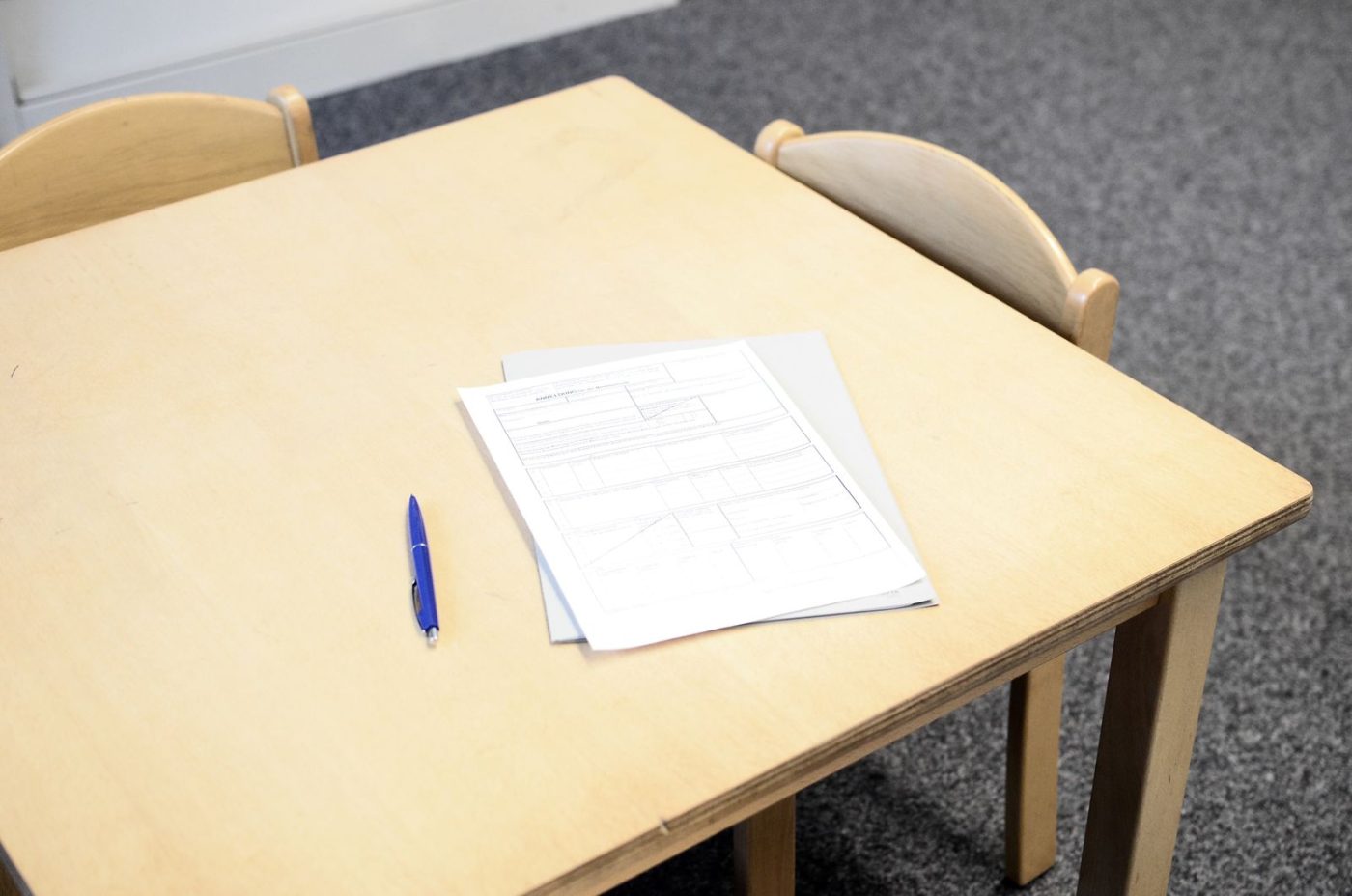
Image sources: empty stage (Martin de Arriba), star decoration (Dagmara Dombrovska), school desk (Skylar Kang), Quran pages (Zeynep Sude Emek), all via Pexels. Teacher portrait: official Muslim Teachings Academy teaching-team photo.
How to Fit Quran Lessons Around UK School, Homework and After-School Clubs
For Muslim families in Britain
How to Fit Quran Lessons Around UK School, Homework and After-School Clubs
A practical way to make Quran homework manageable alongside UK school, homework and clubs—starting with one clear priority instead of four scattered tasks.
By Ustadh Islam Awny
Quick answer
To fit Quran lessons around UK schoolwork and clubs, give your child one clear revision priority at a time. Check that they can explain the homework before the lesson ends, then choose a short practice window the family can manage. Confusing assignments often need simplifying before the timetable needs changing.
When Quran homework has too many moving parts
British pupils may have homework, reading and sports clubs alongside Quran lessons, but the way homework is assigned also matters. A child who attends regularly but rarely completes Quran homework may be facing too many competing tasks, not a lack of interest.
This teaching experience shows how a teacher can simplify the assignment itself without changing lesson times.
Photo: Pexels
FROM OUR TEACHERS
The homework sheet was the problem
Ustadh Islam Awny
One boy always joined his Quran lesson ready to read, yet returned the following week with only part of his homework completed. His parents were already fitting schoolwork and an after-school club into busy evenings. When I looked again at what I had assigned, I could see four different instructions with no clear priority.
Instead of adding reminders, I rewrote the task around one small target: repeat a short passage, listen for a particular pronunciation point and show me that line at the next lesson. I asked him to tell me in his own words what he needed to practise. If he could not explain it, I had not made it clear enough.
That experience challenged my first instinct. Sometimes the teacher needs to simplify the work before asking the child to work harder.
Three lessons from this story
Clarity comes before quantity
One specific revision task may be easier to complete than four assignments with unclear priorities.
Check the instructions
Ask children to explain what they have to practise before leaving the lesson.
Revision is real progress
Improving a familiar passage can be just as valuable as learning something new.
A one-priority Quran homework plan for busy UK school weeks
The timetable still matters, but the first question in this scenario is whether the assignment itself is realistic. Here is an example format that does not require changing class times.
Core task: read the same two lines aloud slowly, checking one previously corrected sound.
How to check completion: the child can read the selected lines and identify the spot being practised.
Optional extra: listen once to an accurate recitation and spot the corresponding word.
Parent’s role: make a brief, quiet opportunity available without repeatedly demanding progress.
Teacher’s next step: review that exact reading point and adjust the task if it is still too difficult.
Instead of / Try
Instead of: “Revise the surah, memorise more, practise tajweed and complete your activity.”
Try: “Before our next lesson, practise this small section and one specific sound.”
Instead of: “You haven’t done everything again.”
Try: “Tell me which task you understood, and let’s make the next one clearer.”
Three low-pressure ways to reinforce Quran learning
Two-line review: focus on a short familiar passage without rushing.
Listen and notice: hear a brief accurate recitation and recognise the target sound.
Teach-back: let the child explain exactly what the homework is, in their own words.
These small activities support structured teaching; they should not turn the family home into another classroom.
Written by
Ustadh Islam AwnyQuran teacher, Muslim Teachings Academy
My Child Was Born in Britain and Only Speaks English: How Can I Teach Them Arabic?
For Muslim families in Britain
My Child Was Born in Britain and Only Speaks English: How Can I Teach Them Arabic?
By Ustadha Sondos Hassan
Quick answer
To help a British-born child learn Arabic, start with phrases they genuinely want to use, such as greeting a grandparent. Practise short, relaxed conversations at home and build reading skills gradually. Avoid correcting every word at once; a willingness to speak matters more than an immediate perfect sentence.
Why your British-born child may understand English but not Arabic
If your child was born in Britain, English may be the language of nursery or school, friends, cartoons and everyday play. Even in a Muslim family, Arabic can be something they hear occasionally rather than a language they need to use.
That can feel especially painful when grandparents and relatives live abroad. A weekly video call becomes a conversation your child wants to join, but cannot yet follow.
Starting Arabic does not mean abandoning English or expecting a child to speak perfectly overnight. It means creating small, welcoming opportunities to understand and use meaningful words.
Photo: Inga Seliverstova / Pexels
FROM OUR TEACHERS
She wanted to speak to Teta, not pass another vocabulary test
Ustadha Sondos Hassan
A young girl told me she became quiet during video calls with her grandmother in Egypt. Her mum would translate, and the girl would smile at the screen without knowing what to say. The family had been practising Arabic words, but the lists didn’t include the things she actually wanted to tell Teta.
I asked what she would like to say on their next call. We chose a greeting, a way to ask how her grandmother was and one short sentence about her day. We said them aloud in little exchanges, sometimes with me playing the grandmother. Her English was never treated as something she had to stop using.
The purpose was modest: help Arabic become useful in a warm family conversation. I would not call a child fluent after learning a few phrases, but I would value the confidence to try one.
What this story teaches us
01
Start with a real reason to speak
The girl wanted to connect with her grandmother, not pass a vocabulary test. A meaningful purpose made her keen to try.
02
One phrase used is progress
Using “How are you, Teta?” in a real conversation mattered more than repeating a long list in a lesson.
03
Home practice should feel natural
A few gentle minutes during meals or bedtime can reinforce lessons without turning family life into a classroom.
A gentle first-week plan for Arabic at home
You do not need to teach a whole alphabet or insist on Arabic-only conversations. Start with what your child would genuinely like to say to someone they love.
Choose a person or purpose. Your child’s Teta, Grandad, auntie, or cousin is a great place to start.
Pick one useful sentence. Try «أنا بحبك يا تيتا»(I love you, Teta), if that suits your family.
Practise in tiny parts. Say one word, let your child echo it, and build the phrase gently.
Use the words at home. Five or ten minutes at meals or bedtime is enough for a comfortable practice moment.
Bring it into a real conversation. Your child might say their new phrase during the next family video call.
Repeat the plan with different phrases as your child becomes comfortable. Some children will take longer than others, and that is fine.
Photo: Roya Alyan / Pexels
Instead of correcting every word, try this
How adults respond can make Arabic feel like a friendly part of family life rather than another school subject.
Instead of: “Say everything in Arabic from now on.”
Try: “Let’s use one little Arabic phrase at breakfast, and one before bed.”
Instead of: “You learnt twenty words. Repeat them all.”
Try: “Which new word could you use to tell Teta something you love?”
Instead of: “No, that’s wrong. Try again.”
Try: Repeat the phrase naturally in Arabic, then gently let the conversation carry on.
Instead of: “Your cousins speak Arabic much better.”
Try: “You spoke Arabic to Teta because you wanted to. That’s a lovely step forward.”
Three Arabic games that fit family life in Britain
Words for Teta: Make a small collection of phrases your child chooses for the next call. Stick to a couple of phrases at a time.
What’s for tea? At mealtime, show two foods and practise «أنا بحب المكرونة»(I like pasta) or another phrase about what your child likes.
You be the teacher: Swap roles and let your child teach you a word they learnt. They can correct you, laugh, and try again.
If you use Egyptian Arabic with family, you can begin with familiar home expressions. Later, your child can gradually learn standard Arabic reading and writing alongside their speaking practice.
Should we teach spoken Arabic or the alphabet first?
It does not have to be a strict choice. For a young beginner who knows almost no Arabic, useful spoken phrases can offer a reason to keep learning. At the same time, the teacher can introduce letters and sounds gradually and connect them with words the child already recognises.
Speaking, understanding, reading and writing develop at different rates. A child may be ready to use a short greeting with Grandma long before they can read the same words on a page.
Over time, learning the Arabic alphabet can support Quran reading. Understanding Quranic Arabic requires additional, age-appropriate teaching, so it helps to treat everyday conversation and Quran study as connected but distinct goals.
Photo: MATAQ Darul Ulum / Pexels
What progress can look like
Your child recognises one familiar Arabic greeting.
They try a word in a real conversation, even if the rest is in English.
They ask what Grandma said instead of giving up on the conversation.
They begin connecting familiar spoken words with Arabic letters.
They choose to use an Arabic phrase without prompting.
Those steps matter more than making every sentence flawless. Please do not compare a child who lives in Britain with one who hears Arabic in every part of life in an Arabic-speaking country.
Let Arabic become part of their life, not just their lessons
A child should not have to feel guilty about being more comfortable in English. The aim is to build another language alongside it — a language that can help them talk to family, connect with their roots, and grow familiar with the language of the Quran.
For the girl in Ustadha Sondos’s story, the big breakthrough was not a test score or twenty words learnt in a lesson. It was choosing to greet her Teta in Arabic.
One word used with love can be the beginning of a lifelong relationship with Arabic.




 By Ustadh Omar Saeed