Raising Confident Muslim Children in Australian Schools: Faith, Friendships and Belonging
For Muslim families in Australia
Raising Confident Muslim Children in Australian Schools: Faith, Friendships and Belonging
A school football outing raises a practical question: how can a Muslim child check halal food arrangements without losing a sense of belonging?
By Ustadh Omar Saeed
Quick answer
To help Muslim children feel confident at Australian school, listen to everyday worries and check practical arrangements, such as halal food on excursions, with staff beforehand. Give children simple words for expressing their needs without expecting them to explain Islam to everyone.
Why this matters for Muslim families in Australia
A school football excursion should be about playing with friends, not discovering at lunchtime that there is nothing suitable to eat. A child might hesitate to ask about halal food because they do not want to stand out. Checking arrangements with school staff beforehand gives families a practical choice and helps children enjoy the day without being made responsible for every detail.
Image: Pexels, downloaded for this article
FROM OUR TEACHERS
The football excursion and a question nobody had asked
Ustadh Omar Saeed
A boy mentioned an upcoming school football outing during our lesson. He was excited about going with his mates, then stopped and asked whether the lunch would be halal. His parents had not yet received clear information about the food, and he worried that asking would make him look difficult.
Rather than telling him to skip the excursion or promise that everything would be fine, I helped him practise a simple question for his teacher: “Will there be a halal option, or should I bring my own lunch?” We also talked about speaking to his parents first, so they could check the arrangements with the school. He did not need to give his classmates a lecture about Islam.
What stayed with me was how a small practical uncertainty could overshadow something he genuinely enjoyed. Supporting a child’s identity sometimes starts with helping them ask an ordinary question without embarrassment.
What the football excursion taught us
Find the actual obstacle
Sometimes food is the issue, not the whole friendship or activity.
Practise simple words
Children can say ‘I only eat halal food’ without giving a lengthy defence.
Belonging without compromise
Support good friendships and faith together, with adults available to help.
A practical checklist for parents
Ask organisers about food options before deciding whether to attend.
Let your child practise a polite one-sentence explanation.
Make decisions with your child and appropriate adult supervision.
Listen seriously when your child says they feel different.
Report repeated harassment and help your child find a trusted adult.
Instead of / Try
Instead of
Try
Telling your child to skip the outing before checking the food
Ask the organisers whether a halal option or packed lunch is possible.
Expecting your child to explain Islam to the whole class
Practise one calm sentence and let them choose how much to share.
Treating every question from a friend as an insult
Listen first; involve a trusted adult if questions turn into teasing.
A simple activity to try
Before the next excursion, help your child write down two questions: what food will be available, and who should they speak to if they are unsure? Check the arrangements with the school. Practise a short reply such as “I eat halal food; can I bring lunch from home?” Afterwards, ask how the day felt, not just what they ate.
Written by
Ustadh Omar Saeed Teacher at Muslim Teachings Academy
Ramadan at Australian Public Schools: A Practical Guide to Fasting, Sport and Eid
For Muslim families in Australia
Ramadan at Australian Public Schools: A Practical Guide to Fasting, Sport and Eid
A classroom conversation shows how families can discuss Ramadan, PE and student wellbeing before challenges arise.
By Ustadha Sondos Hassan
Quick answer
For Ramadan at Australian public schools, discuss your child’s age, wellbeing and practical needs before the month begins. Parents can contact staff about PE, lunches and Eid absences using school procedures. Children should feel supported, not pressured.
Why this matters for Muslim families in Australia
Ramadan can coincide with ordinary Australian school days, sports lessons and lunch breaks. Children may be excited about the month but unsure what it means for them personally or how to answer classmates’ questions. Parents can discuss age-appropriate expectations at home and contact school staff early about any practical needs, with children’s wellbeing taking priority.
Image: Pexels, downloaded for this article
FROM OUR TEACHERS
Ramadan came up during a PE lesson
Ustadha Sondos Hassan
A young student told me she was nervous about Ramadan because her school had a sports session scheduled that week. She was also unsure what to say to friends who noticed that some members of her family were fasting while she was not. The questions sounded simple, but she carried them as worries.
I asked what she understood about fasting and whether she had discussed her own circumstances with her parents. We talked about the religious duties in an age-appropriate way, without treating a child’s health or stamina as something to test. I suggested that her parents contact the school early about any practical concerns, rather than leaving her to negotiate them alone.
I wanted her to understand that Ramadan is not a competition with classmates or siblings. A child’s questions deserve calm explanations and careful attention to wellbeing.
Three lessons for a calmer Ramadan at school
Plan with the school
Discuss PE and lunchtime arrangements early, within school policies.
Prioritise wellbeing
Do not press children to fast in ways that harm them; seek advice when concerned.
Keep explanations simple
Children can give short, courteous answers about Ramadan and Eid.
A practical checklist for parents
Check the school’s communication and attendance procedures early.
Ask teachers what PE adjustments may be possible when needed.
Make sure your child knows which trusted adult can help at school.
Explain that fasting requirements depend on maturity and health.
Contact the school about Eid absence according to its state and school policy.
Instead of / Try
Instead of
Try
Leaving a child to sort out sport and fasting questions alone
Talk with the child and contact school staff early about individual needs.
Expecting all children to fast in the same way
Consider age, health and appropriate religious advice without pressure.
Mentioning Eid absence only after the event
Follow the school’s notice and attendance procedures in advance.
A simple activity to try
Make a short Ramadan-at-school plan together. Write down who at school should hear about a concern, which sports or lunch routines might need discussing, and one friendly sentence your child can use if a classmate asks about Ramadan. Keep the plan flexible, and let a parent handle formal arrangements.
Written by
Ustadha Sondos Hassan Teacher at Muslim Teachings Academy
Raising Confident Muslim Children in British Schools: A Practical Guide for Parents
For Muslim families in Britain
Raising Confident Muslim Children in British Schools: A Practical Guide for Parents
By Ustadh Omar Saeed
Quick answer
To help Muslim children feel confident at British schools, ask what matters to them before suggesting a response. Whether the issue is a preferred name or faith, practise one polite sentence and involve school staff when support is needed. Confidence grows through being heard.
How can Muslim children feel secure in their identity at school?
Not every school question needs a speech about faith. Sometimes children simply need confidence that they can express what matters to them and be heard.
FROM OUR TEACHERS
He answered to Ray, but wanted his full name back
Ustadh Omar Saeed
A boy told me that nearly everyone at school called him Ray instead of Abdurrahman. I assumed he was comfortable with it until he said he sometimes wished people would try his full name. He wasn’t asking to make a complaint. He was wondering whether correcting people would sound rude.
We practised a few sentences he might use, including “I prefer Abdurrahman. I can help you say it.” I also told him that if he genuinely liked a nickname, that choice was his. I didn’t want to turn his name into another burden or ask him to speak on behalf of his religion.
It was a small conversation, but it reminded me that confidence can begin with giving a child permission to say what he prefers and helping adults listen.
What this story teaches us
Listen first
Find out which name your child actually prefers.
Practise kindly
Role-play a short, polite response without turning it into a test.
Offer support
Help children approach school staff when needed and take bullying seriously.
Practical tips for parents
Ask your child what they prefer to be called. Practise saying, “I prefer Abdurrahman. I can help you say it.” Listen carefully when they describe awkward school situations, and speak to school staff if repeated bullying occurs.
Instead of / Try
Instead of
Try
“Just be strong.”
“Would you like to tell me what happened?”
“Explain everything about Islam.”
“It’s okay not to know. We can learn together.”
Try this at home
Practise name pronunciations, short answers about Eid, and a daily conversation about one happy or uncomfortable school moment.
Written by
Ustadh Omar Saeed — Quran teacher, Muslim Teachings Academy
Christmas and Nativity Plays at UK Primary Schools: A Muslim Parent’s Guide
For Muslim families in Britain
Christmas and Nativity Plays at UK Primary Schools: A Muslim Parent’s Guide
What should Muslim parents do when their child’s school announces a Christmas nativity play? A thoughtful guide to beliefs, school conversations and helping children feel they still belong.
By Ustadha Shaimaa Wagdy
Quick answer
If your child’s UK primary school announces a nativity play, ask what the role, script and songs involve before deciding. Listen to your child’s feelings, discuss your family’s religious boundaries and seek appropriate guidance if needed. A respectful conversation with the school may reveal suitable alternatives.
Your child has been chosen for the nativity play. What should you do?
In many primary schools across Britain, the end of the autumn term brings Christmas songs, costumes, assemblies and nativity plays. For Muslim parents, one invitation can raise a difficult question: how do we stay true to our beliefs while protecting our child’s sense of friendship and belonging?
Start by asking the school what the activity actually involves. Find out your child’s role, lines, songs and whether the event is a religious portrayal or a more general school activity. Talk to your child about their feelings. If a part conflicts with your family’s religious convictions, ask about a suitable alternative; seek guidance from a trusted scholar when you need a religious ruling. A calm conversation is usually more helpful than a rushed yes or no.
The aim isn’t to make a seven-year-old choose between Islam and their friends.
It’s to help them understand their beliefs, feel respected at school and learn how to respect others.
Photo: Dagmara Dombrovska / Pexels.
FROM OUR TEACHERS
The nativity role she was excited to tell her mum about
Ustadha Shaimaa Wagdy
A parent asked me how to speak to her daughter after the school offered the girl a part in a Christmas nativity play. The child had been pleased to be chosen, while the parent was uneasy about the religious nature of the role. What troubled me was how quickly an adult disagreement could make the girl feel that she had done something wrong.
I suggested beginning with the actual letter from the school. What would the children say or sing? Was the part a religious portrayal? Before making a decision, the family needed those details and, where appropriate, religious guidance they trusted. We also talked about how to explain the decision to the child without criticising her classmates or making her feel excluded.
The practical goal was a respectful conversation with the school and a child who still felt heard. An alternative school activity might help, but it needed to be agreed with the school rather than assumed.
Three lessons from this experience
01
Understand the activity first
Ask for the script, lyrics, role and purpose. A learning activity is not always the same as performing a religious role.
02
Protect your child’s sense of belonging
Give your child time to share what matters to them: friends, being chosen, costumes or contributing to the school.
03
Help school find a respectful way forward
Raise concerns early and ask whether a suitable non-religious task or another form of involvement is possible.
Not every December school activity is the same
For Muslim families, the key question is not simply whether an event happens at Christmas. It is what children are learning, saying or doing. A lesson that explains Christian beliefs, a dramatisation of the nativity story, a seasonal craft session and an act of collective worship are not interchangeable.
Learning about beliefs: understanding what other religions teach can help children respect classmates without adopting those beliefs.
Religious performances: lines, characters, hymns and prayers matter. Ask what your child would be asked to say or portray.
General school or winter activities: an activity without religious content may raise different questions from a religious service or nativity drama.
Families may reach different decisions about specific events. If you need a religious ruling about the role or performance, consult a trusted scholar who understands the details; an article cannot replace that individual guidance.
Photo: Skylar Kang / Pexels.
Six questions to ask the school before a nativity play
Ask early, preferably before rehearsals begin. You can be warm and appreciative while being clear about what you need to understand.
01 · The role
What character or task has my child been assigned? What exact words would they say?
02 · Songs and prayers
Could we please see the lyrics or prayers before rehearsals begin?
03 · The kind of activity
Is this a performance, a Religious Education lesson, an act of collective worship, or a separate celebration?
04 · Alternatives
Is there a suitable backstage, artwork, technical, welcoming or organisational role?
05 · The child’s experience
How can we explain the change without singling my child out in front of their classmates?
06 · Time and communication
Could we discuss this before rehearsals so my child has time to adjust?
What does the law say about nativity plays in English schools?
A note on school rights in England
In England, parents have a recognised right to request withdrawal from Religious Education (RE), and separate rules allow withdrawal from collective worship. But a school nativity performance is not automatically the same thing as an RE lesson or an act of worship. What applies to a particular activity depends on its content, context and the school’s arrangements. Ask the school how it classifies the activity; don’t assume there is a blanket statutory right to opt out of every Christmas performance.
How to explain Jesus and Maryam to a seven-year-old Muslim child
Ustadha Shaimaa began with the child’s existing knowledge. In Islam, Jesus is known as Isa (peace be upon him), a prophet and messenger of Allah. His mother, Maryam (peace be upon her), is honoured in the Quran, and Surah Maryam bears her name.
At the same time, Muslims and Christians differ on important beliefs about Jesus. A short, gentle explanation can help a child know what their family believes without frightening them or teaching disrespect for Christian friends.
You might say: “We believe in Isa as Allah’s messenger. Some of our friends believe different things about Jesus. We can be kind and learn about their beliefs, while following our own faith.”
Keep the explanation suited to the child’s age. There is no need to turn a school play into a long theological debate.
Photo: Zeynep Sude Emek / Pexels.
What to say when your child worries about friends
The girl’s most urgent question was not about costumes or the play’s plot. It was: “Will my friend be cross with me?” That deserves a gentle answer before a lecture about religious rules.
Children need to hear that good friendships do not depend on doing every activity together. They can congratulate classmates, share ordinary school activities and be kind without agreeing with every religious belief.
A simple phrase to practise together is: “My family is Muslim, and we celebrate Eid. We have different beliefs, but we can still be friends.” Avoid expecting your child to answer every question or explain Islam to the whole class.
A better conversation: Instead of saying this, try that
Instead of: “You’re not going. That’s the end of it.”
“I know you were excited. Let’s talk about why this part doesn’t fit our beliefs and how you might still help.”
Instead of: “Your friends are doing something wrong.”
“Other families believe different things. We can be kind and respectful while making our own choice.”
Instead of: “Explain Islam to the whole class.”
“You can say one simple sentence if you want to. You’re not responsible for answering everybody’s questions.”
Instead of: “It won’t matter if you miss it.”
“I know being chosen mattered to you. Your feelings matter, even when we make a different decision.”
A respectful message to your child’s primary school
If you are unsure how to start, this sample message asks for information and a discussion, without assuming the school has agreed to a particular alternative.
Example message to a primary-school teacher
Dear [Teacher’s Name],
Thank you for including [Child’s Name] in the upcoming school performance. She is very excited about being involved with her classmates. As a Muslim family, we would be grateful if we could see the lines and songs associated with her role so we can understand the religious content.
We would like to discuss whether there is a suitable way for her to contribute that respects our family’s beliefs while allowing her to continue feeling part of the school community.
Thank you for your understanding and support. Kind regards, [Parent’s Name]
If your child takes a different role — or does not take part
A helping role may let some children continue contributing, but it may not be offered or suitable in every school. The important point is to explain the plan positively and avoid presenting a family decision as the child’s fault.
You can say: “You are still an important part of your class. Some activities match our family’s beliefs and some don’t. We’ll speak with your teacher about what makes sense for you.”
If your child will not participate, ask the school what they will do during rehearsals and the performance and how adults will help them avoid embarrassment or isolation. Don’t leave a seven-year-old to negotiate the arrangements alone.
Frequently asked questions from Muslim parents in the UK
Can my Muslim child take part in a nativity play?
There is no single answer for every play and every family. Ask to see the role, lines, music and the religious or non-religious parts. Discuss any concerns with the school and seek advice from a trusted scholar if you need a ruling on a particular type of participation.
Is learning about Christianity the same as celebrating Christmas?
No. Learning what Christians believe is different from personally affirming those beliefs or taking part in religious observance. It helps to ask what your child is actually being asked to do rather than judging an activity from its date alone.
Can I withdraw my child from the play in England?
The law includes specific parental withdrawal rights relating to Religious Education and collective worship, but these do not automatically settle every school performance or seasonal event. Ask the school how the nativity activity is organised and what alternatives may be available.
What if the school says there is no alternative part?
Ask for a calm meeting with the class teacher or headteacher. Explain the particular content that concerns you and what would help your child remain included. Discuss supervision and appropriate arrangements if your child will not participate.
What if my child thinks their friends will be upset?
Acknowledge that feeling first. Practise a short, friendly explanation, reassure them that difference does not end a friendship, and ask the school not to put them on the spot.
Does every December school activity raise the same concern?
No. An RE lesson about Christianity, a nativity drama, a winter craft and a religious service can be very different activities. Understanding the purpose and content is the first step.
Raise a child who knows their faith and respects others
The deepest lesson in Ustadha Shaimaa’s reflection is not simply which role the little girl would have in the play. It is how adults can explain a faith-based decision while preserving a child’s confidence, friendships and joy in learning.
The goal is not to teach children that the wider community is against their religion. It is to help them live as Muslims in Britain, maintain warm relationships and express their beliefs with kindness and clarity.
A Muslim child should be able to say, “I love my faith, and I respect my friends. I don’t have to choose between those two things.”
Image sources: empty stage (Martin de Arriba), star decoration (Dagmara Dombrovska), school desk (Skylar Kang), Quran pages (Zeynep Sude Emek), all via Pexels. Teacher portrait: official Muslim Teachings Academy teaching-team photo.
My Child Is the Only Muslim in Class: How Can I Help Them Feel Confident?
For Muslim families in America
My Child Is the Only Muslim in Class: How Can I Help Them Feel Confident?
When your child is the only Muslim in their American classroom, even mentioning Eid can feel intimidating. Here’s how parents and teachers can build confidence gently, without pressure.
By Ustadh Islam Awny
Quick answer
If your child is the only Muslim in an American classroom, listen to what makes them uncomfortable rather than pushing them to represent Islam. Let them decide how to discuss Eid or Ramadan, practise a simple response together and contact their teacher if classmates are unkind. Belonging and faith can go together.
When your child is the only Muslim in their American classroom
An All About Me poster sounds simple. But if every classmate writes about a different holiday, a Muslim child may worry that writing “Eid” or “Ramadan” will make everyone stare.
Some children enjoy answering questions about Islam. Others would rather blend in, especially when they’re young. A child can love their religion and still feel unsure about talking about it in front of classmates. The goal isn’t to turn them into a spokesperson. It’s to help them feel safe, included, and comfortable being themselves.
Photo: RDNE Stock project / Pexels
FROM OUR TEACHERS
He rubbed Eid off his All About Me poster
Ustadh Islam Awny
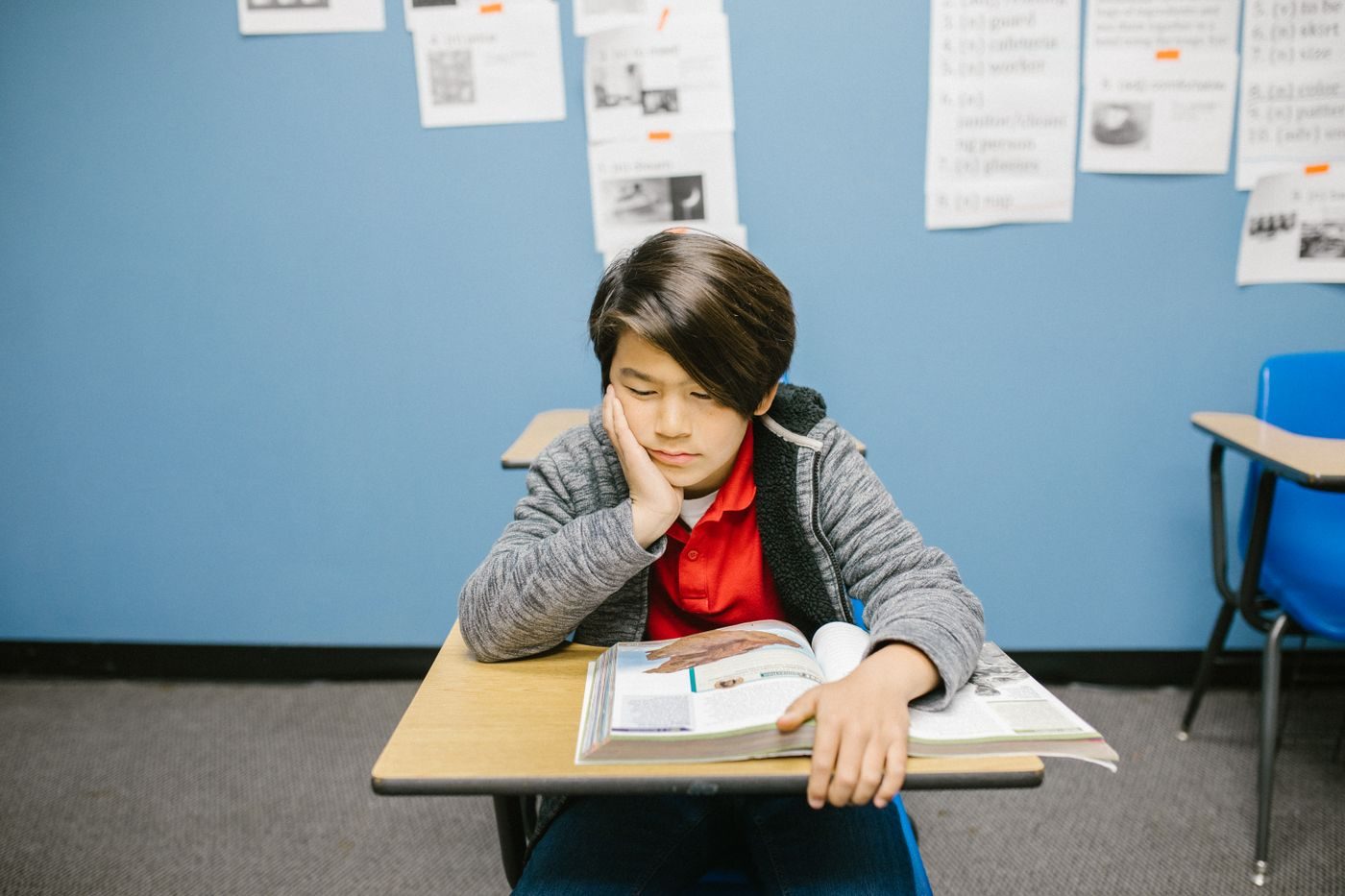
A boy in an American elementary school described an All About Me assignment. He had started writing Eid among his family’s celebrations, then erased it because he thought the other children might ask questions. He wasn’t ashamed of his faith; he just didn’t want the whole class looking at him.
I asked him whether he wanted to include Eid or would rather share something else about himself. Then we practised one easy sentence he could use if someone asked. I also suggested that his parents talk to his teacher if he felt singled out or if classmates were unkind. The important thing was to offer support, not turn the poster into a test of religious confidence.
Children can love Islam and still want an ordinary school day. I learned to give him a choice before giving him a speech.
What this story teaches us
01
Confidence grows through choice
A child should be free to choose whether and how to mention Eid, rather than being pushed into making a public statement.
02
Belonging doesn’t require sameness
Soccer, games, and friendship can be shared with classmates while Ramadan, prayer, and Eid remain important parts of family life.
03
A child’s school experience matters
Parents and teachers can make room for difference without making one child represent an entire religion.
Five gentle ways parents can help
Ask before advising. Try “What made you feel uncomfortable?” rather than assuming your child is rejecting Islam.
Make room for feelings. Being different can feel lonely, even when your child has friends and enjoys school.
Offer language, not a script. If your child wants to explain Eid, help them practice a short sentence — but don’t require them to answer every question.
Talk to the classroom teacher. Explain what your child is experiencing and ask for inclusive activities that don’t put them on the spot.
Take repeated teasing seriously. Record what your child shares and raise concerns with school staff rather than asking them to handle bullying alone.
Instead of putting your child under pressure, try this
A few small changes in what you say can help children feel supported instead of tested.
Instead of: “Tell everyone you’re proud to be Muslim!”
Try: “Would you like to tell me what feels uncomfortable at school?”
Instead of: “You have to explain Eid to the class.”
Try: “If you want to mention Eid, let’s practice one easy sentence together.”
Instead of: “You’re worrying about nothing.”
Try: “It makes sense to feel nervous when you’re the only one. I’m here to listen.”
Instead of: “Just ignore the kids who tease you.”
Try: “Tell me what happened. If someone is mocking or bullying you, we’ll speak with the school together.”
Three simple activities to build confidence at home
Two circles: Make one list of things your child shares with classmates, such as soccer or favorite foods, and another of things that make their family life special, such as Eid or prayer. Talk about how both lists can belong to the same person.
One-sentence Eid practice: If your child wants to share, rehearse “Eid is our Muslim holiday,” then let them decide whether to use it.
My choices poster: Make a small poster about family, hobbies, and celebrations. Let your child choose what they share — and what they keep private.
Keep the activities light. Confidence grows more naturally when children have choices, not a speech they must perform.
What should you say to your child’s teacher?
You can explain that your child is the only Muslim in class and sometimes feels self-conscious during holiday or identity activities. Ask the teacher to make space for different family traditions, without asking your child to answer questions for all Muslim people.
If you suspect repeated teasing, discriminatory treatment, or bullying, describe the specific incidents and follow the school’s reporting process. The priority is helping your child feel safe and supported, not expecting them to confront other children alone.
Your child doesn’t have to choose between belonging and faith
A Muslim child can play soccer, laugh with classmates, enjoy school, and still celebrate Ramadan and Eid at home. They do not have to be exactly like everyone around them, and they do not need to defend their identity all day.
The boy in Ustadh Islam’s story didn’t suddenly become a public speaker. He simply reached a point where writing “Eid” felt like his own choice. The confidence to decide what to share is worth protecting.
The goal is a child who respects others, feels respected in return, and knows that being Muslim is a beautiful and natural part of who they are.
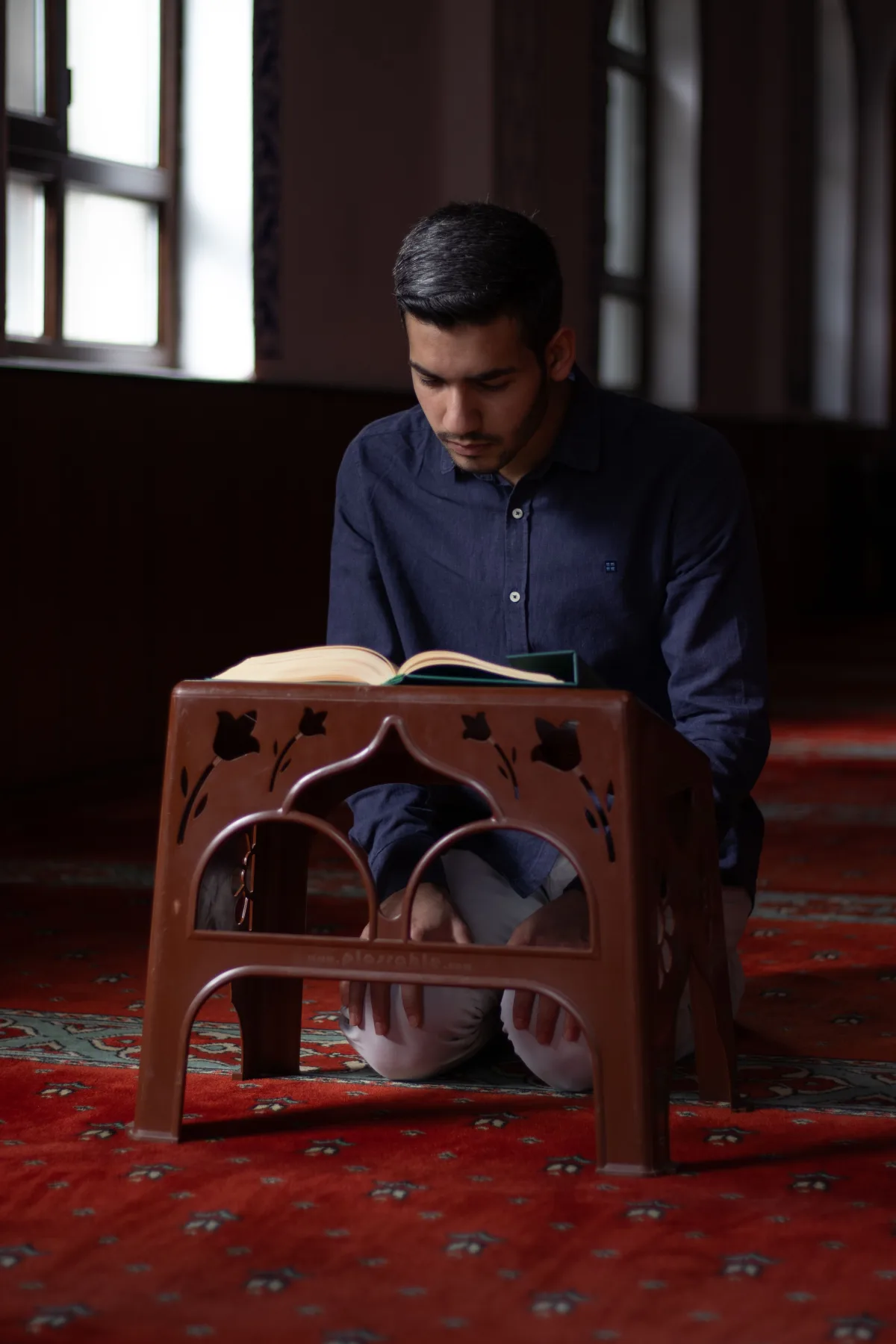
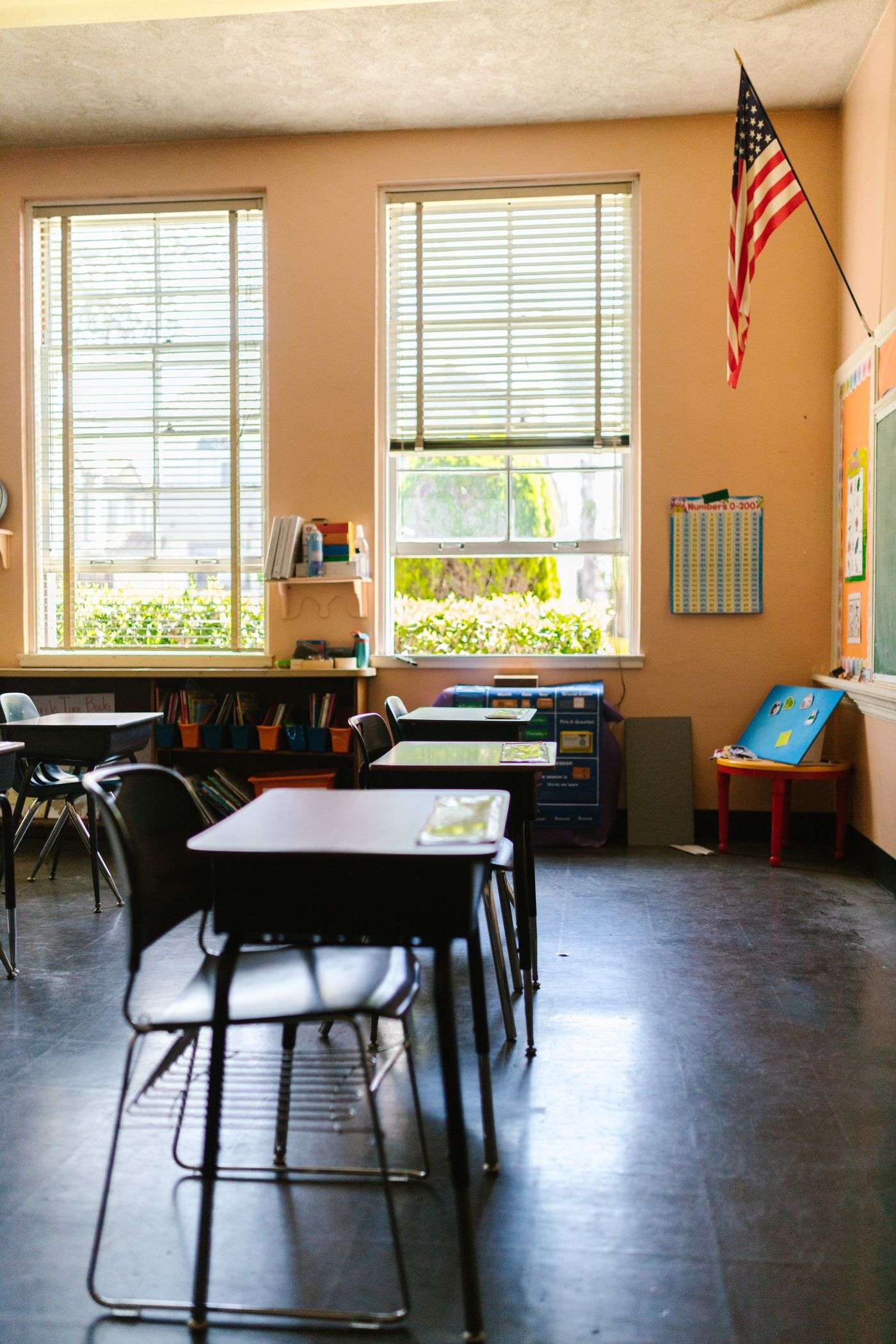
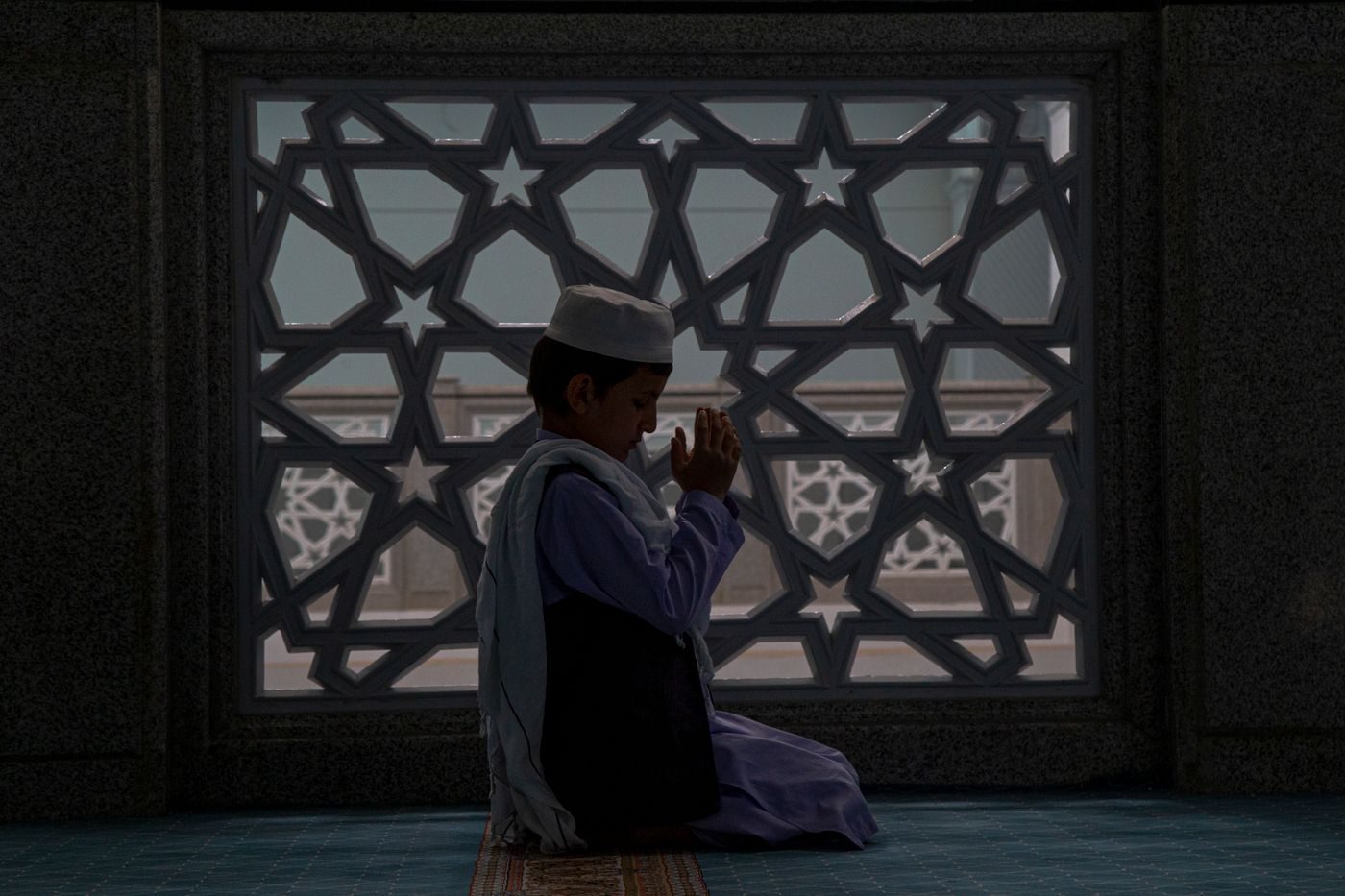
Image sources: American classroom and boy at school by RDNE Stock project / Pexels; boy at mosque by Mohammad Ramezani / Pexels. Teacher portrait: Muslim Teachings Academy official teacher profile.
“Why Don’t You Eat Like Us?” How to Raise Confident Muslim Kids in American Schools
For Muslim families in America
“Why Don’t You Eat Like Us?” How to Raise Confident Muslim Kids in American Schools
Sooner or later, your child will be asked about their faith at school. The question itself is rarely the problem. What matters is how your child feels when they answer.
By Ustadh Mahmoud Tantawy
Quick answer
If classmates ask why your Muslim child avoids pork or eats halal food, help them prepare one simple, respectful reply. Listen to how the question made them feel and distinguish ordinary curiosity from repeated teasing. Calm practice at home can make school conversations less intimidating.
The questions every Muslim child in America will hear
If your child goes to school in the United States, they will almost certainly be asked about their faith at some point. “Why don’t you eat pepperoni pizza?” “Why aren’t you eating lunch?” “Where do you go when you leave to pray?” “Why weren’t you at school yesterday?”
Most of these questions come from simple curiosity. Children notice differences and say exactly what they notice. But a question asked in front of a group of friends can feel very heavy to a nine- or ten-year-old, especially if they have never practised what to say.
The real risk is not the question. It is the quiet conclusion a child may draw afterwards: that their religion is something that makes them stand out in an embarrassing way, and that it might be easier to hide it.
FROM OUR TEACHERS
The lunchbox question he replayed all evening
Ustadh Mahmoud Tantawy
A boy told me that a classmate had asked why he didn’t eat the pepperoni pizza served at a school event. Nobody had shouted at him, but the question embarrassed him because other children were listening. He kept replaying what he should have said.
I asked him to tell me what happened before practising any answer. Then we tried two simple replies: “I don’t eat pork because I’m Muslim,” and “No thanks, I brought my own lunch.” He chose the one that felt natural. We also discussed telling his parents or a trusted adult if curiosity ever turned into teasing.
I didn’t want him to think that every question was an attack or that he owed the class a long explanation. The lesson was about answering calmly and keeping his friendships, not winning a debate.
What this story teaches us
01
A question is not an attack
Most classmates are simply curious. Children who know this answer more calmly and keep their friendships.
02
Shame is the real danger
Notice when your child goes quiet. The feeling behind the silence matters more than the incident itself.
03
Practice beats lectures
A few minutes of role-play builds more confidence than a long explanation about why we do what we do.
Practise at home: short answers for common questions
You can do exactly what Ustadh Mahmoud did in the lesson. Play the curious classmate, ask the question in English, and let your child answer. Keep it light, like a game. Praise a calm tone more than perfect words. Here are some questions Muslim children in the US often hear, with simple answers they can make their own:
“Why don’t you eat pork?”
“I’m Muslim, and I don’t eat pork. It’s part of my religion.”
“Why aren’t you eating lunch?” (during Ramadan)
“It’s Ramadan, so I’m fasting until sunset. It’s a special month for Muslims.”
“Where are you going?” (at prayer time)
“I’m going to pray. Muslims pray five times a day.”
“Why weren’t you at school yesterday?”
“It was Eid. It’s our holiday, and we celebrate with family.”
The goal is not a script. It is a short, honest answer your child can say in their own voice, followed by carrying on with the game, the lesson or the conversation.
When it goes beyond curiosity
Sometimes a question turns into teasing, and teasing turns into a pattern. If your child is mocked or excluded repeatedly because of their faith, they should not have to handle it alone.
Listen first, and thank your child for telling you.
Write down what happened and when, in simple notes.
Speak with the teacher or school counselor, calmly and specifically.
Ask how the school handles bullying. Schools across the US have anti-bullying policies, and staff are expected to act.
Keep checking in with your child afterwards, so they know you are still there.
Don’t wait for the hard day
Confidence is built before the difficult moment, not during it. A few minutes a week of honest conversation, gentle practice and real interest in your child’s school day can make the difference between a child who hides their faith and a child who carries it with quiet pride.
At home, that means asking open questions like “What was the best and hardest part of today?” In lessons, it means teachers who notice when a student is unusually quiet, and who make time to ask why.
Photos: Pexels and Unsplash (Omar Abozeid, Jumanh Jammaz, Abrar Dhalwala).



 By Ustadh Omar Saeed