Skip to content

My Child Is the Only Muslim in Class: How Can I Help Them Feel Confident?
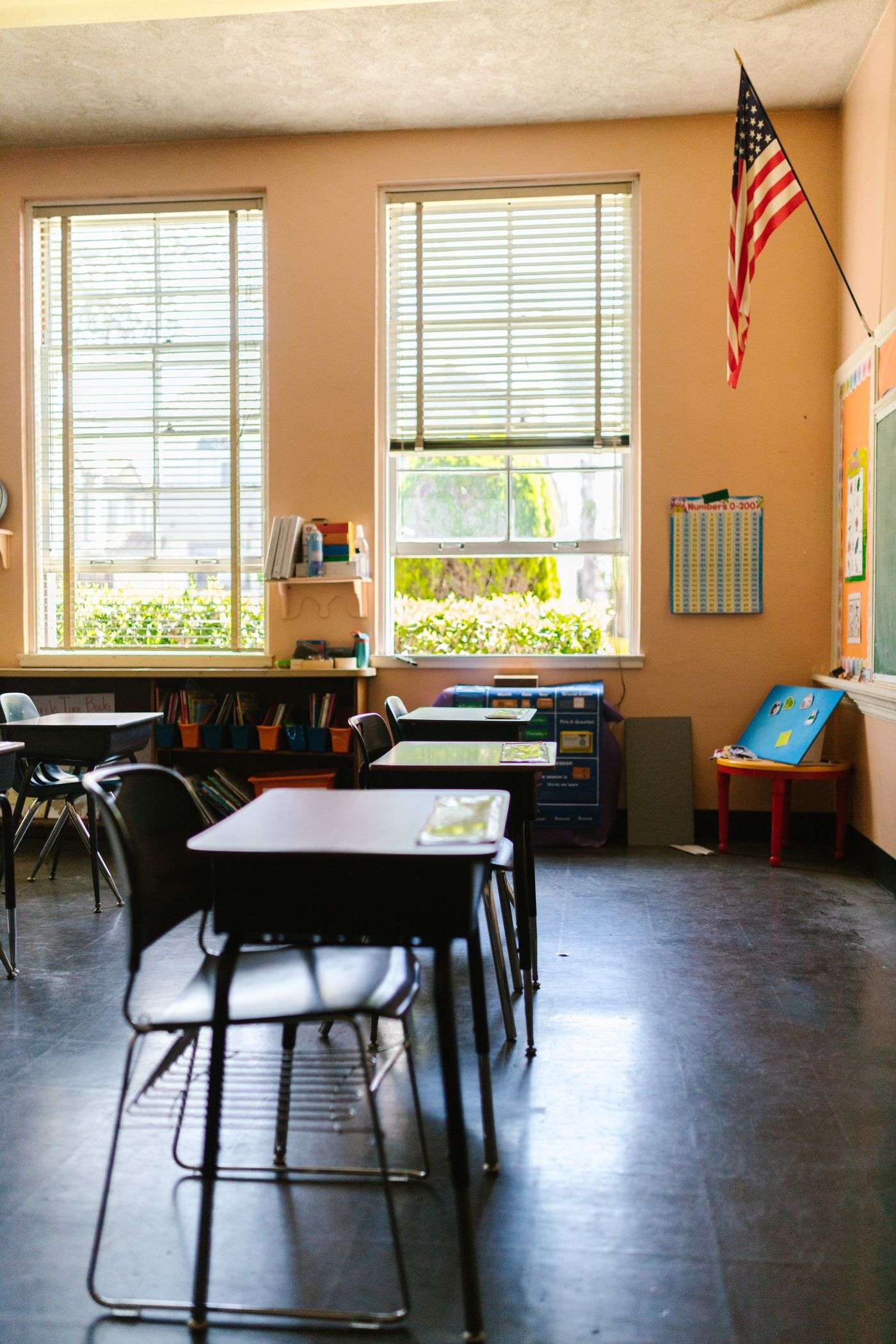
An empty American classroom, representing the school environment for Muslim children

For Muslim families in America

My Child Is the Only Muslim in Class: How Can I Help Them Feel Confident?

When your child is the only Muslim in their American classroom, even mentioning Eid can feel intimidating. Here’s how parents and teachers can build confidence gently, without pressure.

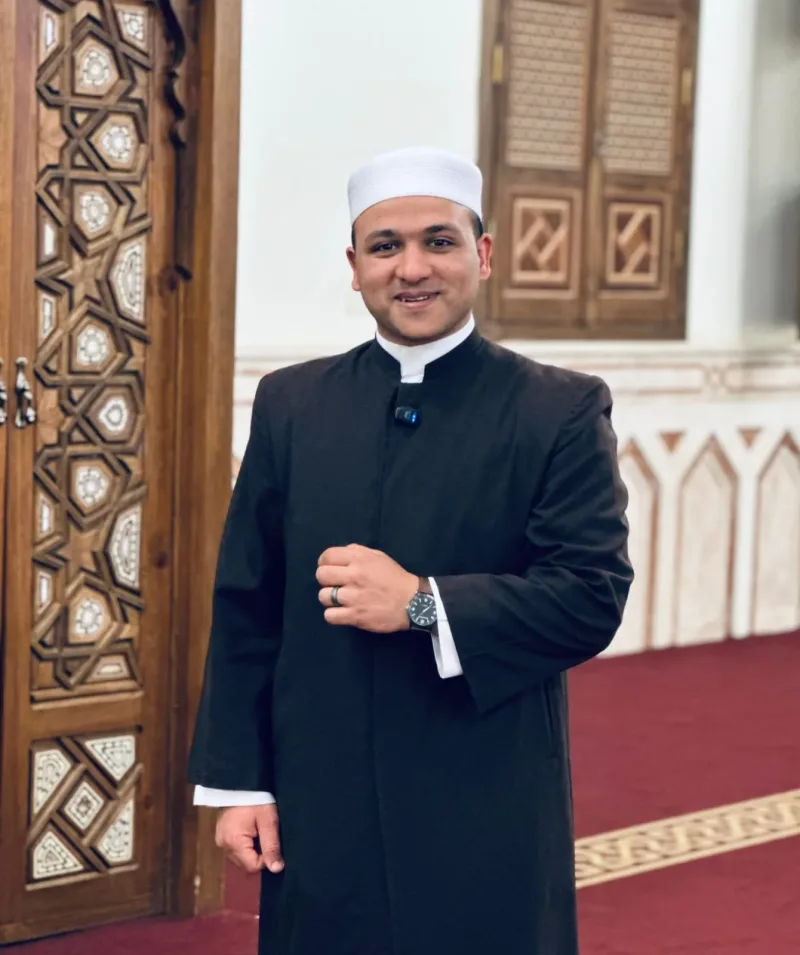
Ustadh Islam Awny, teacher at Muslim Teachings AcademyBy Ustadh Islam Awny

Quick answer

If your child is the only Muslim in an American classroom, listen to what makes them uncomfortable rather than pushing them to represent Islam. Let them decide how to discuss Eid or Ramadan, practise a simple response together and contact their teacher if classmates are unkind. Belonging and faith can go together.

When your child is the only Muslim in their American classroom

An All About Me poster sounds simple. But if every classmate writes about a different holiday, a Muslim child may worry that writing “Eid” or “Ramadan” will make everyone stare.

Some children enjoy answering questions about Islam. Others would rather blend in, especially when they’re young. A child can love their religion and still feel unsure about talking about it in front of classmates. The goal isn’t to turn them into a spokesperson. It’s to help them feel safe, included, and comfortable being themselves.

A young boy reading alone at his classroom desk
Photo: RDNE Stock project / Pexels
Ustadh Islam Awny

FROM OUR TEACHERS

He rubbed Eid off his All About Me poster

Ustadh Islam Awny

A boy in an American elementary school described an All About Me assignment. He had started writing Eid among his family’s celebrations, then erased it because he thought the other children might ask questions. He wasn’t ashamed of his faith; he just didn’t want the whole class looking at him.

I asked him whether he wanted to include Eid or would rather share something else about himself. Then we practised one easy sentence he could use if someone asked. I also suggested that his parents talk to his teacher if he felt singled out or if classmates were unkind. The important thing was to offer support, not turn the poster into a test of religious confidence.

Children can love Islam and still want an ordinary school day. I learned to give him a choice before giving him a speech.

What this story teaches us

01

Confidence grows through choice

A child should be free to choose whether and how to mention Eid, rather than being pushed into making a public statement.

02

Belonging doesn’t require sameness

Soccer, games, and friendship can be shared with classmates while Ramadan, prayer, and Eid remain important parts of family life.

03

A child’s school experience matters

Parents and teachers can make room for difference without making one child represent an entire religion.

Five gentle ways parents can help

  1. Ask before advising. Try “What made you feel uncomfortable?” rather than assuming your child is rejecting Islam.
  2. Make room for feelings. Being different can feel lonely, even when your child has friends and enjoys school.
  3. Offer language, not a script. If your child wants to explain Eid, help them practice a short sentence — but don’t require them to answer every question.
  4. Talk to the classroom teacher. Explain what your child is experiencing and ask for inclusive activities that don’t put them on the spot.
  5. Take repeated teasing seriously. Record what your child shares and raise concerns with school staff rather than asking them to handle bullying alone.

For related advice on school friendships and Muslim identity, read how to raise confident Muslim kids in American schools.
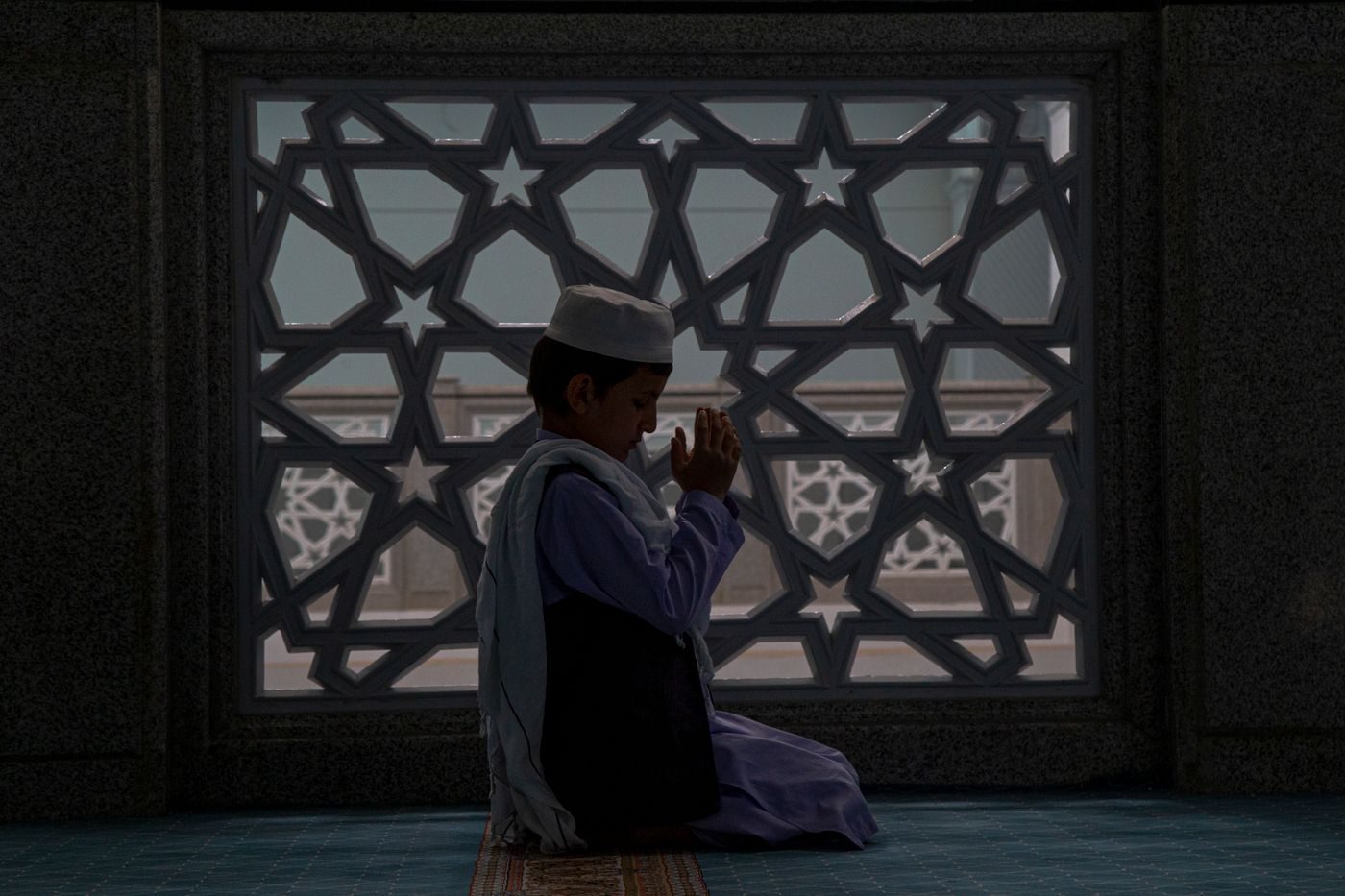
A Muslim boy praying quietly in a mosque
Photo: Mohammad Ramezani / Pexels

Instead of putting your child under pressure, try this

A few small changes in what you say can help children feel supported instead of tested.

Instead of: “Tell everyone you’re proud to be Muslim!”

Try: “Would you like to tell me what feels uncomfortable at school?”

Instead of: “You have to explain Eid to the class.”

Try: “If you want to mention Eid, let’s practice one easy sentence together.”

Instead of: “You’re worrying about nothing.”

Try: “It makes sense to feel nervous when you’re the only one. I’m here to listen.”

Instead of: “Just ignore the kids who tease you.”

Try: “Tell me what happened. If someone is mocking or bullying you, we’ll speak with the school together.”

Three simple activities to build confidence at home

  • Two circles: Make one list of things your child shares with classmates, such as soccer or favorite foods, and another of things that make their family life special, such as Eid or prayer. Talk about how both lists can belong to the same person.
  • One-sentence Eid practice: If your child wants to share, rehearse “Eid is our Muslim holiday,” then let them decide whether to use it.
  • My choices poster: Make a small poster about family, hobbies, and celebrations. Let your child choose what they share — and what they keep private.

Keep the activities light. Confidence grows more naturally when children have choices, not a speech they must perform.

What should you say to your child’s teacher?

You can explain that your child is the only Muslim in class and sometimes feels self-conscious during holiday or identity activities. Ask the teacher to make space for different family traditions, without asking your child to answer questions for all Muslim people.

If you suspect repeated teasing, discriminatory treatment, or bullying, describe the specific incidents and follow the school’s reporting process. The priority is helping your child feel safe and supported, not expecting them to confront other children alone.

Your child doesn’t have to choose between belonging and faith

A Muslim child can play soccer, laugh with classmates, enjoy school, and still celebrate Ramadan and Eid at home. They do not have to be exactly like everyone around them, and they do not need to defend their identity all day.

The boy in Ustadh Islam’s story didn’t suddenly become a public speaker. He simply reached a point where writing “Eid” felt like his own choice. The confidence to decide what to share is worth protecting.

The goal is a child who respects others, feels respected in return, and knows that being Muslim is a beautiful and natural part of who they are.

Also read: “Why Don’t You Eat Like Us?” How to Raise Confident Muslim Kids in American Schools

Image sources: American classroom and boy at school by RDNE Stock project / Pexels; boy at mosque by Mohammad Ramezani / Pexels. Teacher portrait: Muslim Teachings Academy official teacher profile.

← Back to the blog

Weekend Islamic School vs. Online Quran Classes: Which Is Better for Your Child?

An open Quran on a stand in a mosque, illustrating weekend Islamic school and online Quran learning

For Muslim families in America

Weekend Islamic School vs. Online Quran Classes: Which Is Better for Your Child?

Is your teenager losing interest because the group’s Quran programme no longer matches their level? This teaching experience explores how to assess the fit before switching.

Ustadh Omar Saeed, Quran teacher at Muslim Teachings AcademyBy Ustadh Omar Saeed

Quick answer

To decide between weekend Islamic school and online Quran classes, first assess whether the teaching matches your child’s reading and tajweed level. Ask about a more suitable group and individual feedback before switching. The best choice is one your child can attend consistently and continue learning from.

Weekend Islamic school or online Quran classes: why the question matters

Weekend Islamic school can offer valuable community learning. But what if a student already reads comfortably and the group continues practising skills she has long mastered?

The right choice depends on the student’s assessed level, the school’s ability to differentiate instruction, and access to suitable individual feedback.

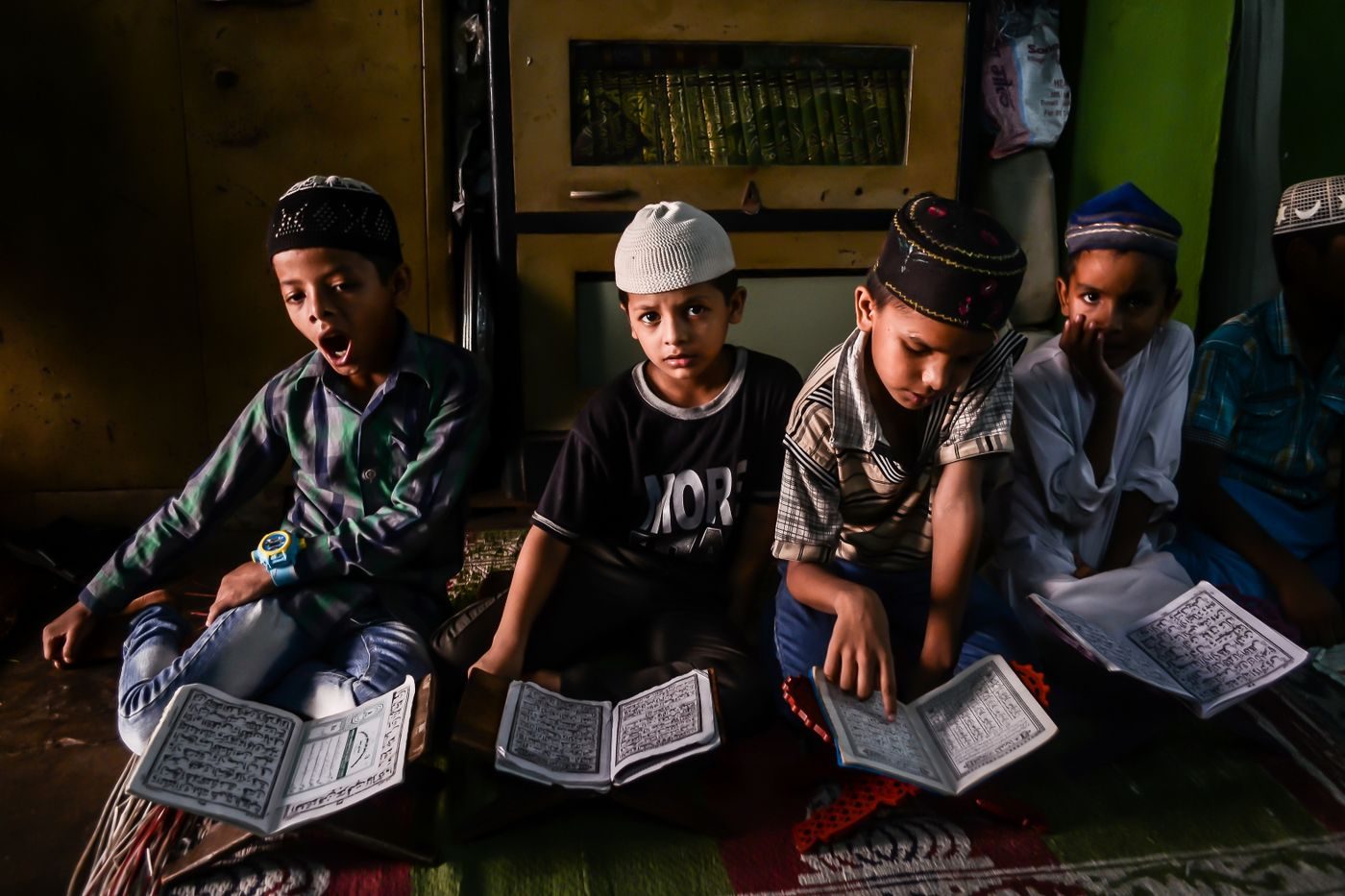
Boys learning Quran together in a group
Ustadh Omar Saeed

FROM OUR TEACHERS

She had stopped looking forward to weekend school

Ustadh Omar Saeed

A parent told me her thirteen-year-old daughter no longer looked forward to weekend Islamic school. The easy explanation was that she was getting older and losing motivation. But when we discussed the lessons, she described repeating reading exercises that she had mastered some time ago.

I suggested checking her current recitation with unfamiliar passages rather than assuming she needed more of the same. I also encouraged the family to ask whether the weekend school had a more suitable group or a way to give individual feedback. Moving online was one possibility, but not the first decision to make.

Sometimes boredom isn’t rejection of Quran learning. It is a sign that we haven’t looked closely enough at what the student is ready to learn next.

What this story teaches us

01

Challenge should match ability

When reading activities are repeatedly too easy, ask whether the class level and goals still suit the student.

02

Assess the next learning target

An individual assessment can identify tajweed errors and new reading goals without assuming a lack of motivation.

03

Ask about a higher-level group first

The right plan fits your child’s learning needs, enjoyment, energy, and your family’s resources.

Weekend Islamic school vs. online Quran classes: a practical comparison

Weekend Islamic school often provides group learning, friendships, community activities, and exposure to Quran, Arabic, and Islamic studies. The amount of individual Quran reading time depends on the class size, schedule, and teacher.

One-to-one online Quran classes can make space for a teacher to listen closely, revisit confusing Arabic letters, practice reading from the Mushaf, and adjust the pace. They may be useful for families who live far from an Islamic center or need a flexible weekday appointment.

Using both may work well when your child loves weekend school but needs additional individual correction. It is not the best solution for every family: cost, screen fatigue, scheduling, and the child’s energy all matter.

Father and son sharing Quran study at home

Five questions to ask before changing your child’s program

  1. Does my child’s current group challenge them appropriately? Happiness and Muslim friendships are real benefits, not distractions.
  2. Can my child read from the Mushaf, not only repeat from memory? Ask for a short, gentle reading assessment.
  3. Does my child receive suitable feedback and more advanced reading targets? Ask the weekend teacher about individual practice and feedback.
  4. Can the school offer a higher-level group or individualized reading tasks? Identify the letters, sounds, or reading habits that need attention.
  5. Can our family maintain the routine? Consider energy, schoolwork, budget, and time for unstructured play.

Instead of making a rushed choice, try this

Instead of: “My child is bored, so they don’t care about Quran.”

Try: Ask whether the level and tasks match the student’s current reading ability.

Instead of: “He knows the surah, so he can read it.”

Try: Check recitation from memory separately from reading the same verses directly from the Mushaf.

Instead of: “More classes must be better.”

Try: Start with a manageable routine and watch for fatigue, stress, and loss of enjoyment.

Instead of: “Online must replace weekend school.”

Try: Consider keeping a positive community experience and adding one focused online session if the child needs it.

Simple Quran reading games you can do at home

  • Spot the difference: choose two similar-looking Arabic letters and ask your child what changes between them.
  • Read or remember? Use a short familiar verse and gently check whether your child is reading the words or reciting from memory.
  • Be the teacher: let your child point to a letter and quiz you, then swap roles.
  • Five-minute review: read a few words together and stop while your child is still comfortable.

If your child is having persistent difficulty recognizing letters, ask their Quran teacher to assess the underlying skill rather than adding pressure.

Close-up of an open Quran with Arabic text

Which one is better for your child?

There is no universal winner. A good weekend school can provide community and excellent teaching, especially when the work matches the learner’s level. Good individual online instruction can give a child the patient, specific reading practice a busy group lesson cannot always offer. A thoughtful combination may provide both.

The best approach is the one your child can sustain: one that helps them read with growing accuracy, develop Muslim friendships, and enjoy learning their faith without being overwhelmed.

Also read: How to Raise Confident Muslim Kids in American Schools

Photos: Unsplash (mosque cover) and Pexels (Quran learning and reading photographs).

← Back to the blog

My Child Understands Arabic but Always Answers in English: What Can I Do?

My child understands Arabic but always answers in English: gentle, playful ways to help your child speak Arabic at home

For Muslim families in America

My Child Understands Arabic but Always Answers in English: What Can I Do?

If your child follows every word you say in Arabic but replies in English, you are not alone. It is one of the most common things we hear from Muslim parents in the US, and it can change with patience and play.

Ustadha Jihad Fathy, academy teaching-team member
By Ustadha Jihad Fathy

Quick answer

If your child understands Arabic but replies in English, treat comprehension as a strength and practise speaking without pressure. Begin with one familiar word, expand it into a short sentence and use natural exchanges at home. Asking for perfect Arabic every time can make a hesitant child quieter.

Why so many Muslim kids in America do this

You ask a question in Arabic. Your child clearly understands it, and answers straight away… in English. You ask them to say it in Arabic, and they shrug: “I don’t know how to say it!”

This is very normal for children growing up in the United States. English is the language of school, friends, cartoons and play. It is the language they use for most of their day, so it comes out first and fastest.

Understanding a language and speaking it are two different skills. Most children can understand far more than they can say, especially when they hear Arabic at home but rarely need to use it themselves. So when your child answers in English, it usually does not mean they are rejecting Arabic. It often means they have never had enough calm, low-pressure practice putting their own thoughts into Arabic words.

Arabic calligraphy decorating the ceiling of a historic building
Ustadha Jihad Fathy

FROM OUR TEACHERS

She understood the question but answered in English

Ustadha Jihad Fathy

During a lesson, I asked a little girl in Arabic what she had done after school. She understood straight away and replied in English. When I asked for the same answer in Arabic, she grew quiet and said she knew the words but couldn’t make them come out quickly enough.

I stopped asking for a complete sentence. We chose one familiar action, practised a two-word response, then built it into a short exchange. I let her think without filling every silence and kept English available when she needed to explain something. Her comprehension was a strength we could build on, not proof that she was refusing Arabic.

For children growing up in the United States, understanding family Arabic and speaking it confidently are different steps. I wanted the lesson to make speaking feel possible rather than risky.

What this story teaches us

01

Understanding is a real foundation

A child’s understanding of familiar Arabic is a valuable foundation, even when speaking still needs practice. Speaking is the next step, not a fresh start.

02

Pressure leads to silence

“Say it in Arabic!” often ends in “I don’t know.” Children speak more when the stakes feel low.

03

Small steps add up

One word, then a short sentence, then a question of their own. Every step deserves a smile.

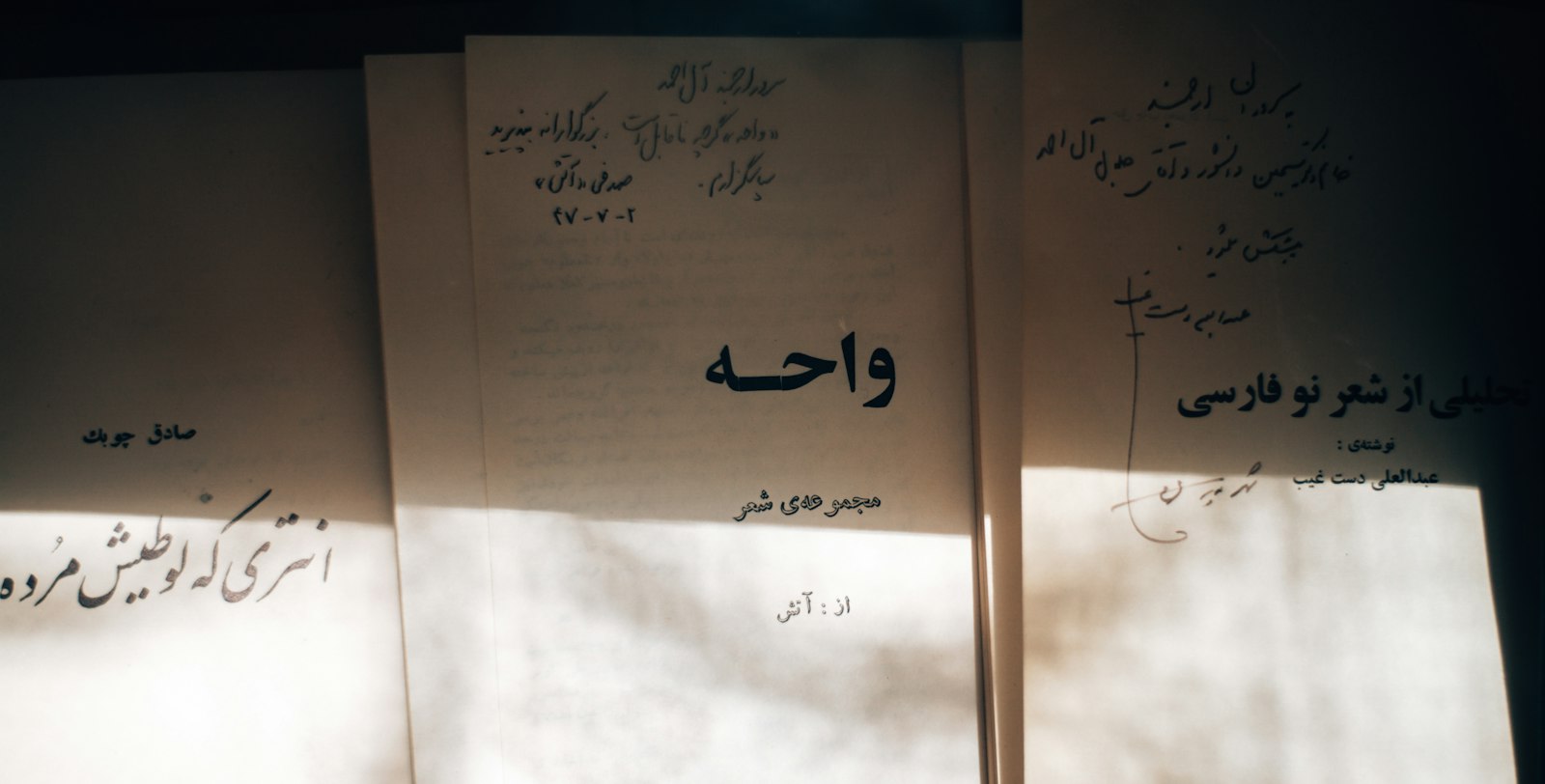
Old books with handwritten Arabic script in warm sunlight

Five minutes a day: a simple plan for home

You don’t need a curriculum or a whiteboard. You need a few relaxed minutes, every day, linked to something your child already enjoys.

  1. Pick one daily moment. Snack time, choosing dinner, getting dressed or a bedtime story all work well.
  2. Speak Arabic naturally during it. Keep your sentences short and clear, and point to real things.
  3. Offer choices instead of open questions. “Apples or bananas?” is much easier to answer in Arabic than “What do you want?”
  4. If they answer in English, say it back in Arabic. No correction, no “try again”. Just repeat the meaning in Arabic with a smile, and carry on.
  5. Celebrate any Arabic at all. A single word is a win. Praise the effort, not the grammar.

What to say instead

Small changes in how we respond can make Arabic feel safe instead of stressful.

Instead of: “Speak Arabic!”

Try: “Oh, you had pasta! أكلتي مكرونة؟ Yummy!”

Instead of: “That’s wrong, say it properly.”

Try: repeating the sentence correctly yourself, warmly, and moving on.

Instead of: “Answer in a full sentence.”

Try: offering two choices, then modelling the full sentence: “I like apples. And you?”

Instead of: “Your cousins speak Arabic better than you.”

Try: “I love hearing you speak Arabic. Teach me a word you learned today!”

Games that get kids talking

  • Pick one: show two pictures or two real objects and ask which one they like. It is the same game that worked in Ustadha Jihad’s lesson.
  • Teacher and student: you play the teacher, then swap. Children love being the one who asks the questions.
  • Finish the story: at bedtime, pause before a familiar word and let your child fill it in, in Arabic.
  • Arabic menu: once a week, your child “orders” their snack in Arabic from you, the waiter.

Keep each game short and stop while it is still fun. The aim is for your child to want to play again tomorrow.

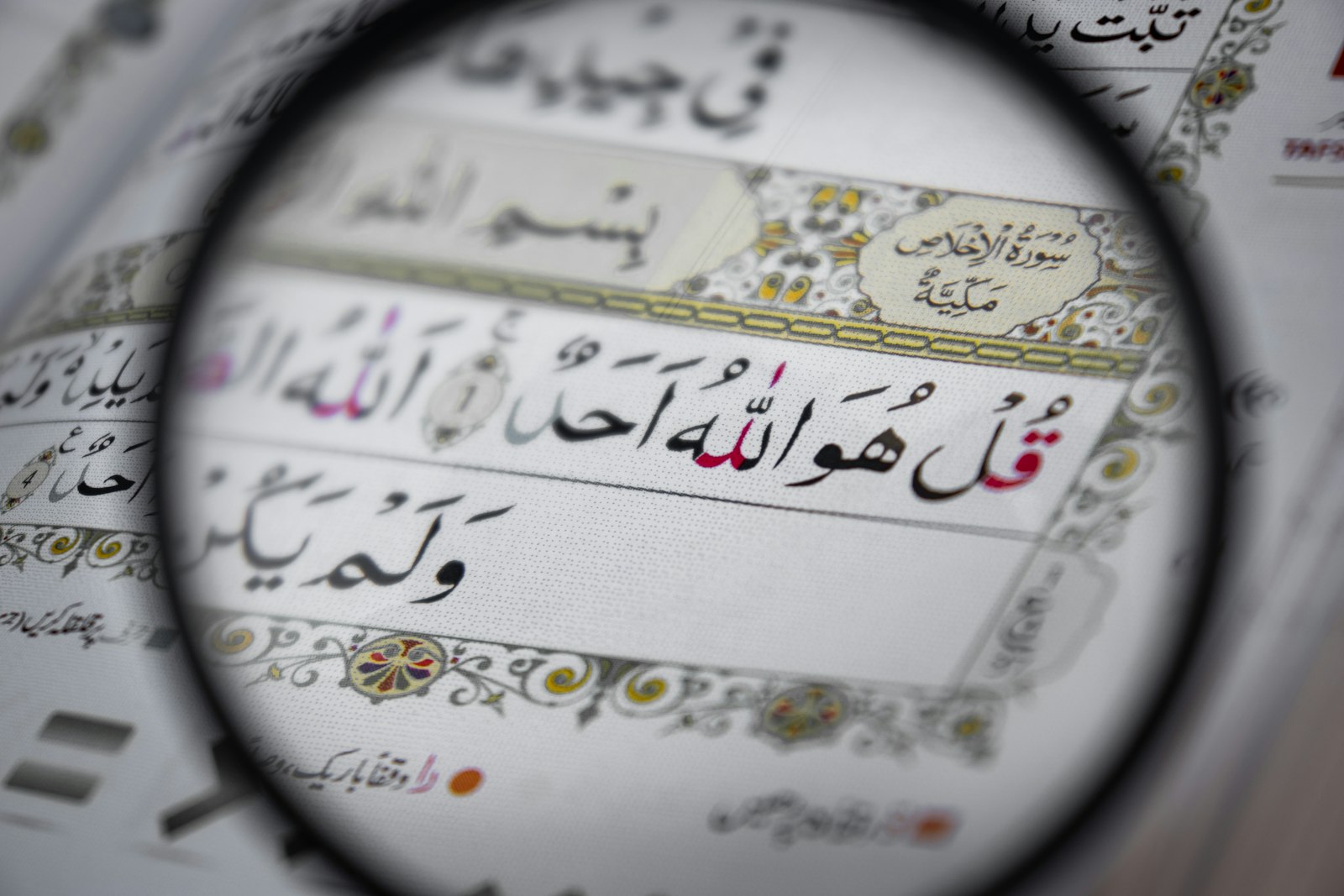
Arabic text seen through a round magnifying glass

What progress really looks like

Progress is usually gradual. Many children move through stages like these:

  • Answering in English while clearly understanding Arabic.
  • Using single Arabic words, especially when given a choice.
  • Repeating short sentences after you.
  • Making short sentences of their own.
  • Asking questions in Arabic without being prompted.

Every child moves at their own pace. What matters is the direction, and the feeling your child has about Arabic along the way.

Make Arabic a language your child loves

When Arabic is linked to stories, laughter and time with family, children want to use it. When it is linked mostly to instructions and corrections, they avoid it.

Arabic is also the language of the Qur’an, and a child who feels at home in it is better prepared to understand what they recite in prayer. That journey starts with small, happy conversations at home, long before it reaches the classroom.

Also read: “Why Don’t You Eat Like Us?” How to Raise Confident Muslim Kids in American Schools

Photos: Unsplash.

← Back to the blog

“Why Don’t You Eat Like Us?” How to Raise Confident Muslim Kids in American Schools

Why don't you eat like us? Helping Muslim kids answer questions about their faith with confidence

For Muslim families in America

“Why Don’t You Eat Like Us?” How to Raise Confident Muslim Kids in American Schools

Sooner or later, your child will be asked about their faith at school. The question itself is rarely the problem. What matters is how your child feels when they answer.

Ustadh Mahmoud TantawyBy Ustadh Mahmoud Tantawy

Quick answer

If classmates ask why your Muslim child avoids pork or eats halal food, help them prepare one simple, respectful reply. Listen to how the question made them feel and distinguish ordinary curiosity from repeated teasing. Calm practice at home can make school conversations less intimidating.

The questions every Muslim child in America will hear

If your child goes to school in the United States, they will almost certainly be asked about their faith at some point. “Why don’t you eat pepperoni pizza?” “Why aren’t you eating lunch?” “Where do you go when you leave to pray?” “Why weren’t you at school yesterday?”

Most of these questions come from simple curiosity. Children notice differences and say exactly what they notice. But a question asked in front of a group of friends can feel very heavy to a nine- or ten-year-old, especially if they have never practised what to say.

The real risk is not the question. It is the quiet conclusion a child may draw afterwards: that their religion is something that makes them stand out in an embarrassing way, and that it might be easier to hide it.

Ornate mosque interior in Egypt with hanging lanterns
Ustadh Mahmoud Tantawy

FROM OUR TEACHERS

The lunchbox question he replayed all evening

Ustadh Mahmoud Tantawy

A boy told me that a classmate had asked why he didn’t eat the pepperoni pizza served at a school event. Nobody had shouted at him, but the question embarrassed him because other children were listening. He kept replaying what he should have said.

I asked him to tell me what happened before practising any answer. Then we tried two simple replies: “I don’t eat pork because I’m Muslim,” and “No thanks, I brought my own lunch.” He chose the one that felt natural. We also discussed telling his parents or a trusted adult if curiosity ever turned into teasing.

I didn’t want him to think that every question was an attack or that he owed the class a long explanation. The lesson was about answering calmly and keeping his friendships, not winning a debate.

What this story teaches us

01

A question is not an attack

Most classmates are simply curious. Children who know this answer more calmly and keep their friendships.

02

Shame is the real danger

Notice when your child goes quiet. The feeling behind the silence matters more than the incident itself.

03

Practice beats lectures

A few minutes of role-play builds more confidence than a long explanation about why we do what we do.

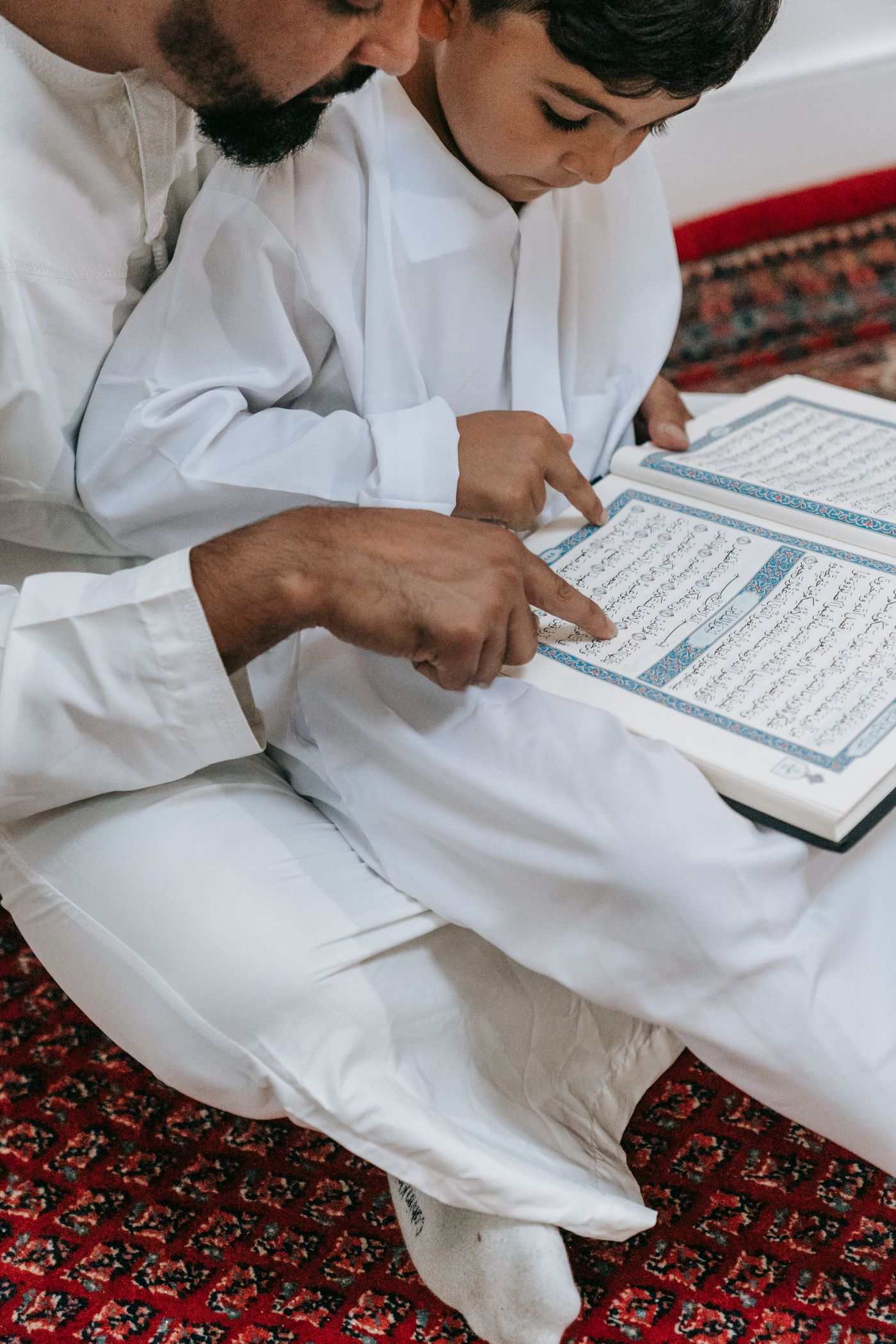
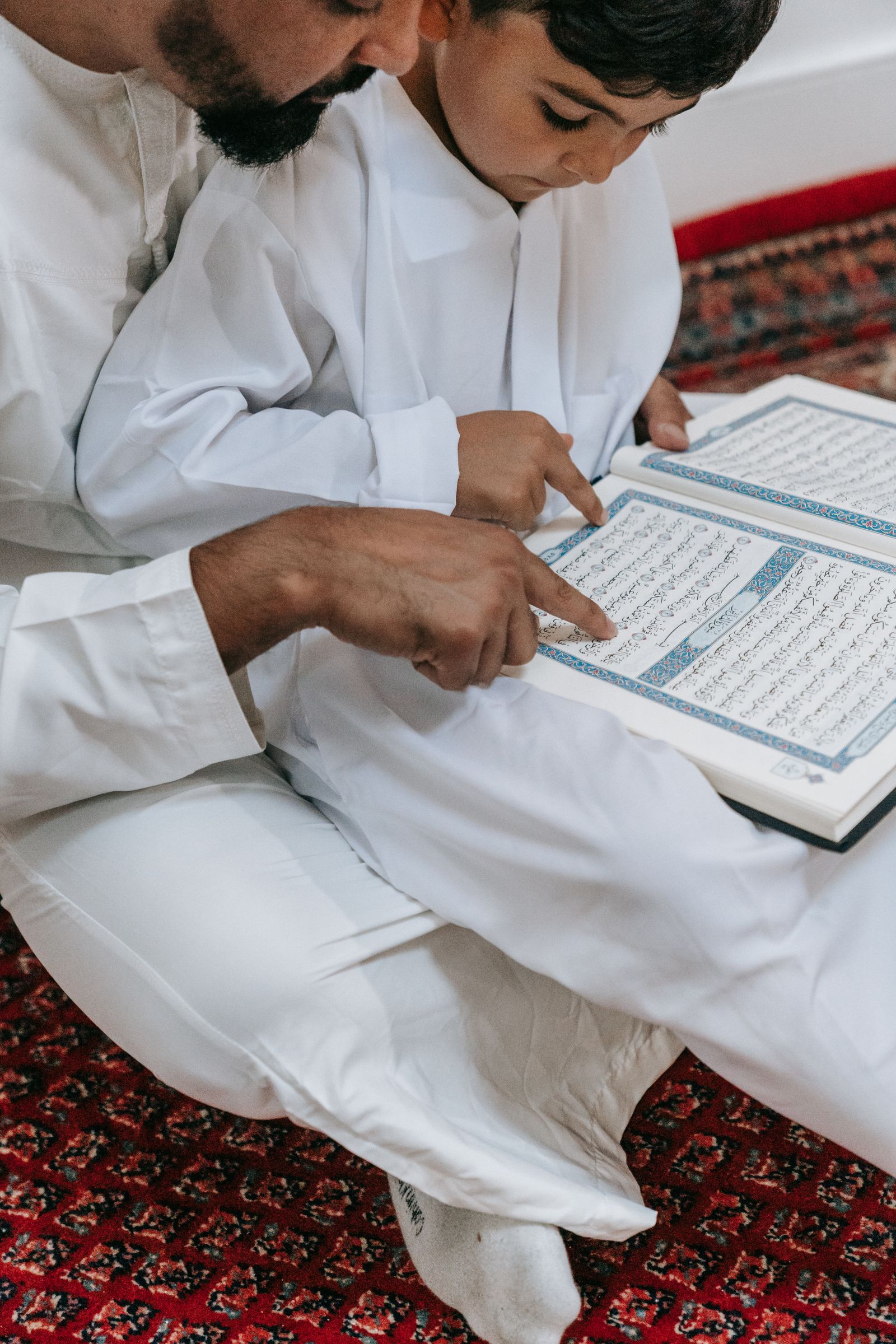
A Muslim father and his young son reading the Qur'an together

Practise at home: short answers for common questions

You can do exactly what Ustadh Mahmoud did in the lesson. Play the curious classmate, ask the question in English, and let your child answer. Keep it light, like a game. Praise a calm tone more than perfect words. Here are some questions Muslim children in the US often hear, with simple answers they can make their own:

“Why don’t you eat pork?”

“I’m Muslim, and I don’t eat pork. It’s part of my religion.”

“Why aren’t you eating lunch?” (during Ramadan)

“It’s Ramadan, so I’m fasting until sunset. It’s a special month for Muslims.”

“Where are you going?” (at prayer time)

“I’m going to pray. Muslims pray five times a day.”

“Why weren’t you at school yesterday?”

“It was Eid. It’s our holiday, and we celebrate with family.”

The goal is not a script. It is a short, honest answer your child can say in their own voice, followed by carrying on with the game, the lesson or the conversation.

When it goes beyond curiosity

Sometimes a question turns into teasing, and teasing turns into a pattern. If your child is mocked or excluded repeatedly because of their faith, they should not have to handle it alone.

  • Listen first, and thank your child for telling you.
  • Write down what happened and when, in simple notes.
  • Speak with the teacher or school counselor, calmly and specifically.
  • Ask how the school handles bullying. Schools across the US have anti-bullying policies, and staff are expected to act.
  • Keep checking in with your child afterwards, so they know you are still there.
Arches inside Masjid an-Nabawi in Madinah

Don’t wait for the hard day

Confidence is built before the difficult moment, not during it. A few minutes a week of honest conversation, gentle practice and real interest in your child’s school day can make the difference between a child who hides their faith and a child who carries it with quiet pride.

At home, that means asking open questions like “What was the best and hardest part of today?” In lessons, it means teachers who notice when a student is unusually quiet, and who make time to ask why.

Photos: Pexels and Unsplash (Omar Abozeid, Jumanh Jammaz, Abrar Dhalwala).

← Back to the blog