Skip to content

Raising Confident Muslim Children in Australian Schools: Faith, Friendships and Belonging
Faith, Friends & Belonging at Australian School

For Muslim families in Australia

Raising Confident Muslim Children in Australian Schools: Faith, Friendships and Belonging

A school football outing raises a practical question: how can a Muslim child check halal food arrangements without losing a sense of belonging?
Ustadh Omar SaeedBy Ustadh Omar Saeed

Quick answer

To help Muslim children feel confident at Australian school, listen to everyday worries and check practical arrangements, such as halal food on excursions, with staff beforehand. Give children simple words for expressing their needs without expecting them to explain Islam to everyone.

Why this matters for Muslim families in Australia

A school football excursion should be about playing with friends, not discovering at lunchtime that there is nothing suitable to eat. A child might hesitate to ask about halal food because they do not want to stand out. Checking arrangements with school staff beforehand gives families a practical choice and helps children enjoy the day without being made responsible for every detail.

Faith, Friends & Belonging at Australian School
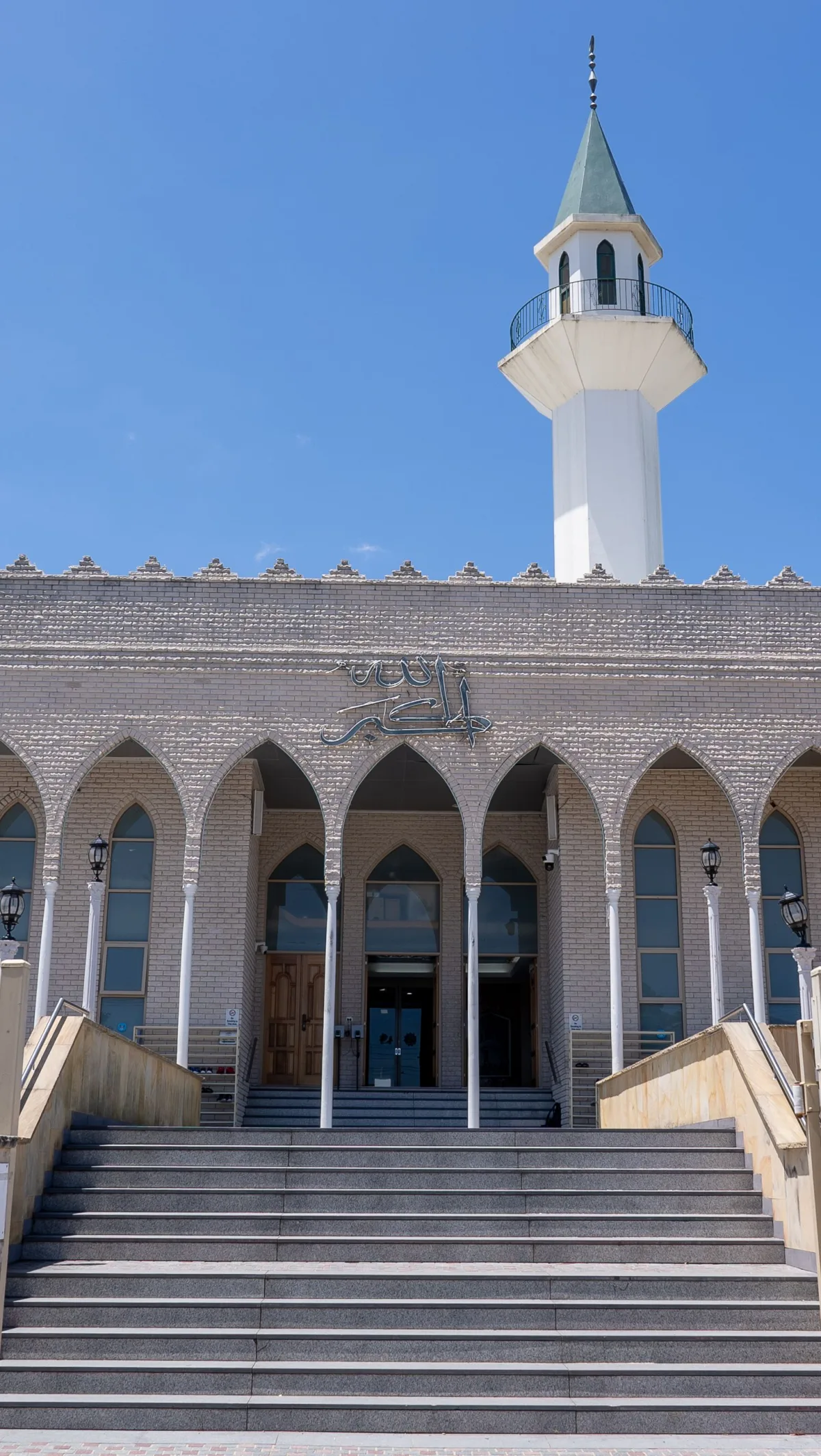
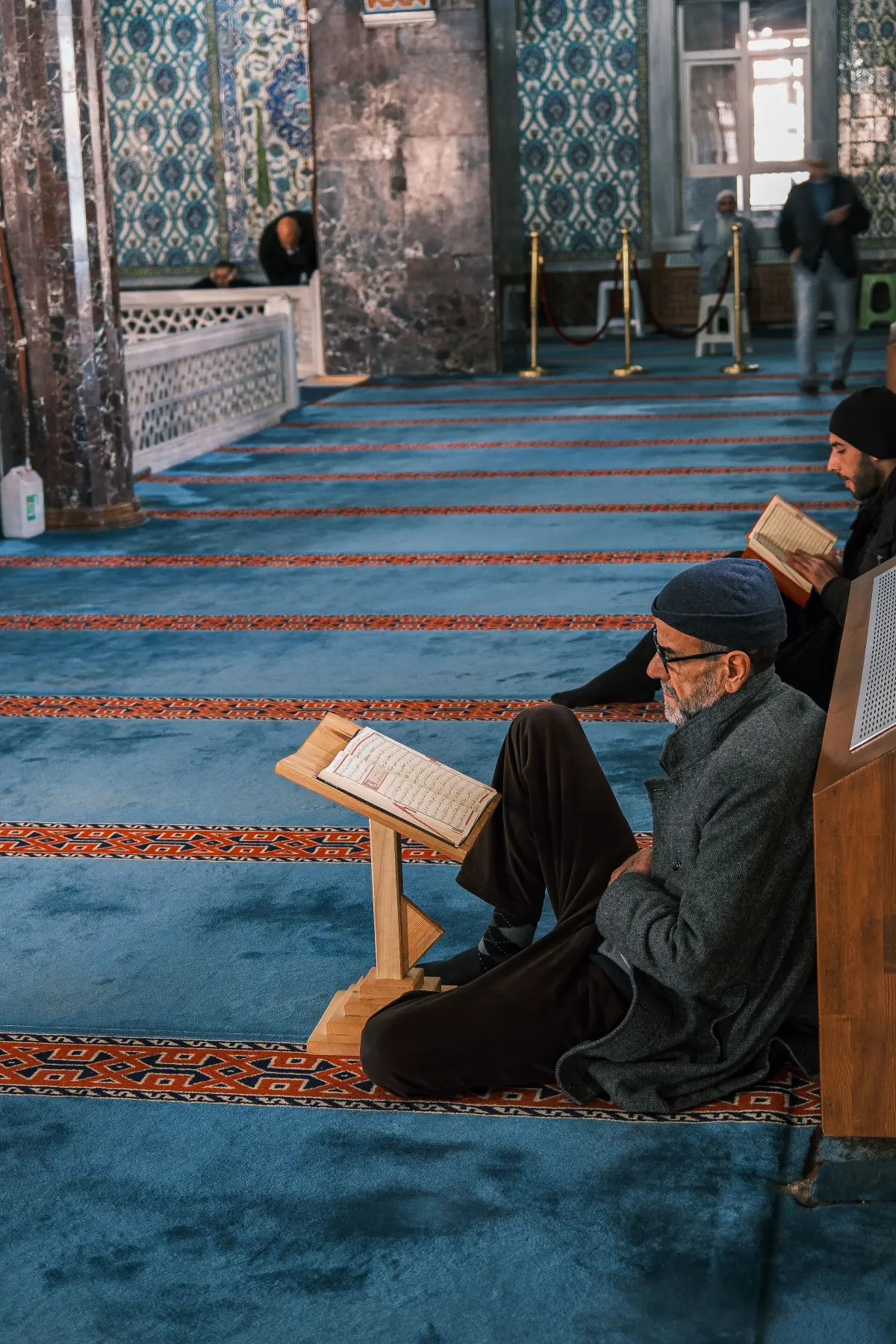
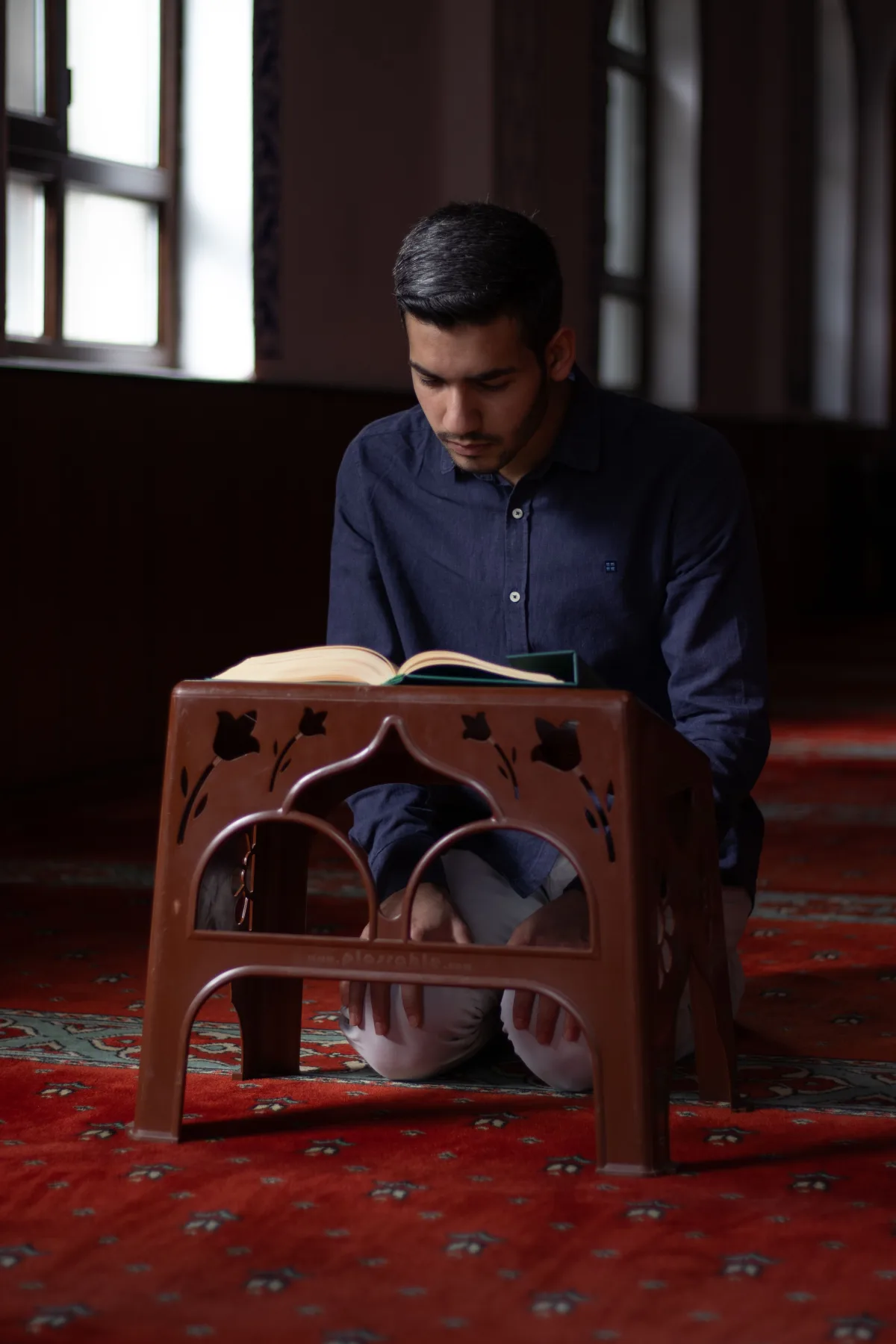
Image: Pexels, downloaded for this article
Ustadh Omar Saeed

FROM OUR TEACHERS

The football excursion and a question nobody had asked

Ustadh Omar Saeed

A boy mentioned an upcoming school football outing during our lesson. He was excited about going with his mates, then stopped and asked whether the lunch would be halal. His parents had not yet received clear information about the food, and he worried that asking would make him look difficult.

Rather than telling him to skip the excursion or promise that everything would be fine, I helped him practise a simple question for his teacher: “Will there be a halal option, or should I bring my own lunch?” We also talked about speaking to his parents first, so they could check the arrangements with the school. He did not need to give his classmates a lecture about Islam.

What stayed with me was how a small practical uncertainty could overshadow something he genuinely enjoyed. Supporting a child’s identity sometimes starts with helping them ask an ordinary question without embarrassment.

What the football excursion taught us

Find the actual obstacle

Sometimes food is the issue, not the whole friendship or activity.

Practise simple words

Children can say ‘I only eat halal food’ without giving a lengthy defence.

Belonging without compromise

Support good friendships and faith together, with adults available to help.

A practical checklist for parents

  1. Ask organisers about food options before deciding whether to attend.
  2. Let your child practise a polite one-sentence explanation.
  3. Make decisions with your child and appropriate adult supervision.
  4. Listen seriously when your child says they feel different.
  5. Report repeated harassment and help your child find a trusted adult.

Instead of / Try

Instead of Try
Telling your child to skip the outing before checking the food Ask the organisers whether a halal option or packed lunch is possible.
Expecting your child to explain Islam to the whole class Practise one calm sentence and let them choose how much to share.
Treating every question from a friend as an insult Listen first; involve a trusted adult if questions turn into teasing.

A simple activity to try

Before the next excursion, help your child write down two questions: what food will be available, and who should they speak to if they are unsure? Check the arrangements with the school. Practise a short reply such as “I eat halal food; can I bring lunch from home?” Afterwards, ask how the day felt, not just what they ate.

Ustadh Omar Saeed

Written by

Ustadh Omar Saeed
Teacher at Muslim Teachings Academy

Also read: Ramadan at Australian Public Schools: A Practical Guide to Fasting, Sport and Eid

Thoughtful learning for your child

Explore Quran, Arabic and Islamic studies with our teaching team.

Book a Free Trial

Photo: Pexels. Teacher portrait, where shown: Muslim Teachings Academy.
← Back to the blog

Ramadan at Australian Public Schools: A Practical Guide to Fasting, Sport and Eid

Ramadan at Australian Public Schools

For Muslim families in Australia

Ramadan at Australian Public Schools: A Practical Guide to Fasting, Sport and Eid

A classroom conversation shows how families can discuss Ramadan, PE and student wellbeing before challenges arise.

Ustadha Sondos Hassan, teacher at Muslim Teachings AcademyBy Ustadha Sondos Hassan

Quick answer

For Ramadan at Australian public schools, discuss your child’s age, wellbeing and practical needs before the month begins. Parents can contact staff about PE, lunches and Eid absences using school procedures. Children should feel supported, not pressured.

Why this matters for Muslim families in Australia

Ramadan can coincide with ordinary Australian school days, sports lessons and lunch breaks. Children may be excited about the month but unsure what it means for them personally or how to answer classmates’ questions. Parents can discuss age-appropriate expectations at home and contact school staff early about any practical needs, with children’s wellbeing taking priority.

Ramadan at Australian Public Schools
Image: Pexels, downloaded for this article
Ustadha Sondos Hassan

FROM OUR TEACHERS

Ramadan came up during a PE lesson

Ustadha Sondos Hassan

A young student told me she was nervous about Ramadan because her school had a sports session scheduled that week. She was also unsure what to say to friends who noticed that some members of her family were fasting while she was not. The questions sounded simple, but she carried them as worries.

I asked what she understood about fasting and whether she had discussed her own circumstances with her parents. We talked about the religious duties in an age-appropriate way, without treating a child’s health or stamina as something to test. I suggested that her parents contact the school early about any practical concerns, rather than leaving her to negotiate them alone.

I wanted her to understand that Ramadan is not a competition with classmates or siblings. A child’s questions deserve calm explanations and careful attention to wellbeing.

Three lessons for a calmer Ramadan at school

Plan with the school

Discuss PE and lunchtime arrangements early, within school policies.

Prioritise wellbeing

Do not press children to fast in ways that harm them; seek advice when concerned.

Keep explanations simple

Children can give short, courteous answers about Ramadan and Eid.

A practical checklist for parents

  1. Check the school’s communication and attendance procedures early.
  2. Ask teachers what PE adjustments may be possible when needed.
  3. Make sure your child knows which trusted adult can help at school.
  4. Explain that fasting requirements depend on maturity and health.
  5. Contact the school about Eid absence according to its state and school policy.

Instead of / Try

Instead of Try
Leaving a child to sort out sport and fasting questions alone Talk with the child and contact school staff early about individual needs.
Expecting all children to fast in the same way Consider age, health and appropriate religious advice without pressure.
Mentioning Eid absence only after the event Follow the school’s notice and attendance procedures in advance.

A simple activity to try

Make a short Ramadan-at-school plan together. Write down who at school should hear about a concern, which sports or lunch routines might need discussing, and one friendly sentence your child can use if a classmate asks about Ramadan. Keep the plan flexible, and let a parent handle formal arrangements.

Ustadha Sondos Hassan, teacher at Muslim Teachings Academy

Written by

Ustadha Sondos Hassan
Teacher at Muslim Teachings Academy

Also read: Raising Confident Muslim Children in Australian Schools

Thoughtful learning for your child

Explore Quran, Arabic and Islamic studies with our teaching team.

Book a Free Trial

Photo: Pexels. Teacher portrait, where shown: Muslim Teachings Academy.
← Back to the blog

My Australian-Born Child Only Speaks English: How Can I Help Them Learn Arabic?

English-Speaking Child? Helping Arabic Grow

For Muslim families in Australia

My Australian-Born Child Only Speaks English: How Can I Help Them Learn Arabic?

An Australian-born child may know individual Arabic letters but struggle when their shapes change inside joined-up words.

Ustadha Jihad Fathy, teacher at Muslim Teachings AcademyBy Ustadha Jihad Fathy

Quick answer

If your Australian-born child knows Arabic letters but struggles with words, practise the letters’ connected forms and blend short vowel-marked words from right to left. Naming isolated letters and reading connected Arabic are different skills; teach them in small steps.

Why this matters for Muslim families in Australia

A child can know the names of individual Arabic letters yet struggle to read them inside connected words. Arabic shapes change depending on their position, and reading requires blending sounds rather than naming symbols one by one. For an English-speaking child in Australia, that is a specific learning step to practise, not evidence that Arabic is out of reach.

English-Speaking Child? Helping Arabic Grow
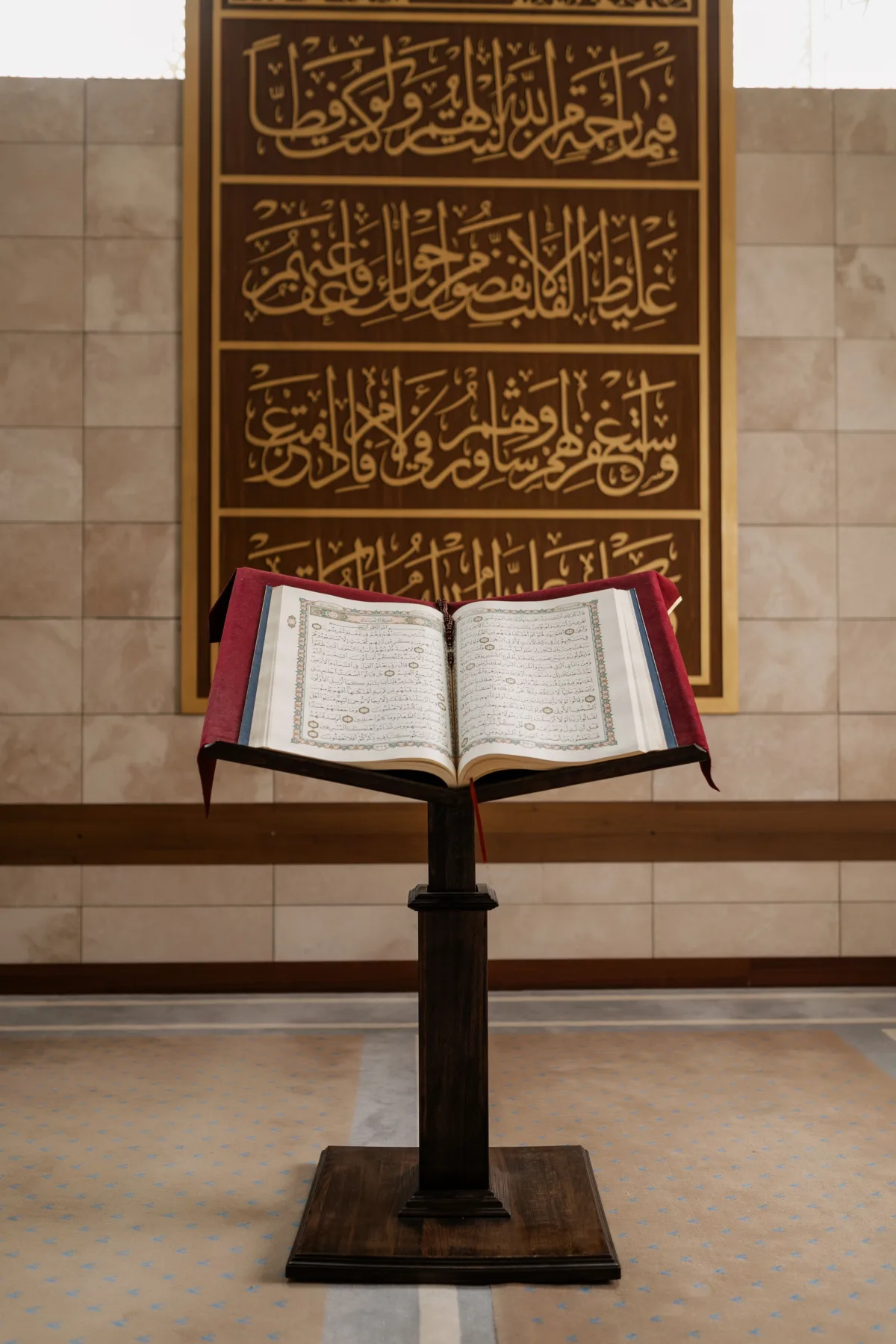
Image: Pexels, downloaded for this article
Ustadha Jihad Fathy

FROM OUR TEACHERS

He knew the letters until they appeared inside a word

Ustadha Jihad Fathy

During an Arabic lesson, a boy confidently named letters from a set of cards. When I opened a short line of connected Arabic writing, he paused at almost every word. He had learned the letters as separate pictures, but the shapes looked unfamiliar once they were joined.

We went back to three letters he knew well and traced how each looked at the beginning, middle and end of a word. I used a few short words with clear vowel marks and asked him to read the sounds together, not just recite the names of the letters. I avoided giving him a whole new alphabet sheet; that would have hidden the exact difficulty.

It reminded me how misleading a quick letter-name test can be. A child may have worked hard and still need explicit practice moving from isolated shapes to reading connected words.

What the difficulty with joined letters reveals

Look at connected letter forms

The same Arabic letter can look different at the beginning, middle or end of a written word.

Track Arabic from right to left

Show how letters connect, including letters that do not connect to the following one.

Blend sounds, not only letter names

Combine consonants and vowel marks to read short unfamiliar words rather than relying on rote memory.

A practical checklist for parents

  1. Check which isolated Arabic letters your child can already recognise.
  2. Compare each familiar letter in its isolated, initial, medial and final forms.
  3. Practise reading a short new word from right to left using the correct vowel marks.
  4. Use a few simple letter cards to build and read connected Arabic words.
  5. Watch for independent recognition of connected letter shapes, without demanding speed.

Instead of / Try

Instead of Try
Starting the alphabet again when words are difficult Check whether familiar letters are recognised in connected forms.
Practising only the names of separate letters Blend vowel-marked sounds into short unfamiliar words.
Correcting every pronunciation at once Choose one reading target and give feedback after an attempt.

A simple Arabic reading activity

Choose one Arabic letter your child already knows. Show it at the beginning, middle and end of three short, correctly written words with clear vowel marks. Ask them to find the letter first, then slowly blend each word from right to left. Stop after a few minutes and note which form needs more practice; avoid treating the task as a test.

Ustadha Jihad Fathy, teacher at Muslim Teachings Academy

Written by

Ustadha Jihad Fathy
Teacher at Muslim Teachings Academy

Also read: A 6-Week Quran and Arabic Learning Plan for Australian Summer

Thoughtful learning for your child

Explore Quran, Arabic and Islamic studies with our teaching team.

Book a Free Trial

Photo: Pexels. Teacher portrait, where shown: Muslim Teachings Academy.
← Back to the blog

Australian Summer School Holidays: A 6-Week Quran and Arabic Learning Plan for Muslim Kids

Six Weeks of Quran & Arabic This Australian Summer

For Muslim families in Australia

Australian Summer School Holidays: A 6-Week Quran and Arabic Learning Plan for Muslim Kids

A six-week summer plan can build a sustainable habit rather than turn the school holidays into another school term.

Ustadha Shaimaa Wagdy, teacher at Muslim Teachings AcademyBy Ustadha Shaimaa Wagdy

Quick answer

A six-week Quran and Arabic plan for Australian summer holidays works best when it leaves room for rest, family trips and play. Set one manageable goal per week, review familiar surahs and adjust the schedule when plans change.

Why this matters for Muslim families in Australia

A six-week summer plan can build a sustainable habit rather than turn the school holidays into another school term. Every child’s needs and family circumstances are different. The six-week plan below is a flexible guide that families can adapt to their child’s needs.

Six Weeks of Quran & Arabic This Australian Summer
Image: Pexels, downloaded for this article
Ustadha Shaimaa Wagdy

FROM OUR TEACHERS

The six-week holiday plan that needed room to breathe

Ustadha Shaimaa Wagdy

A parent wanted her child’s summer Quran plan mapped out down to the day. At first the list looked impressive: new surahs, Arabic writing, daily revision and extra reading. Then she mentioned a family trip and the child’s swimming lessons. I asked which parts of the plan could survive an ordinary summer week.

We separated essential practice from optional activities. The child chose a short, familiar revision task that could fit into a travel day, while the longer reading sessions stayed on quieter days. I suggested reviewing existing memorisation before increasing the amount of new work. We also agreed that missing a day should lead to a sensible reset, not a punishment.

The aim of a holiday plan is not to squeeze school into every free hour. I would rather a child return to lessons with a habit they can keep than a checklist they have learned to dread.

What a realistic six-week plan looks like

Start with an assessment

Know what your child can already recite and read.

Protect the holiday

Keep space for swimming, family time and rest.

Build a lasting habit

A small regular practice is more useful than an unsustainable sprint.

A practical checklist for parents

  1. Week 1: assess existing surahs, letters and a personal goal.
  2. Week 2: connect letters and vowel marks to words.
  3. Week 3: add age-appropriate meaning to a short surah.
  4. Week 4: vary activities and keep practice playful.
  5. Week 5: revisit gaps and celebrate one independent skill.
  6. Week 6: consolidate and make a lighter school-term plan.

Instead of / Try

Instead of Try
Filling all six weeks before looking at the family calendar Mark trips, clubs and rest days first, then choose manageable revision times.
Adding new memorisation every day Alternate small new goals with repetition of familiar surahs.
Treating a missed session as a failed holiday plan Restart with a short review at the next suitable opportunity.

A simple summer learning activity

Draw six boxes on a page, one for each week of the holidays. Mark travel, family visits and other commitments first. For each week, choose one small Quran or Arabic goal and two brief review opportunities that can realistically fit. At the end of each week, ask your child which activity helped and adjust the following week together.

Ustadha Shaimaa Wagdy, teacher at Muslim Teachings Academy

Written by

Ustadha Shaimaa Wagdy
Teacher at Muslim Teachings Academy

Also read: Helping Your Australian-Born Child Learn Arabic

Thoughtful learning for your child

Explore Quran, Arabic and Islamic studies with our teaching team.

Book a Free Trial

Photo: Pexels. Teacher portrait, where shown: Muslim Teachings Academy.

← Back to the blog

Quran Classes in Australia: Weekend Mosque School or One-to-One Online Lessons?

Weekend Mosque School or Online Quran Lessons?

For Muslim families in Australia

Quran Classes in Australia: Weekend Mosque School or One-to-One Online Lessons?

A family in an Australian suburb may need to change Quran lessons because a long journey and changing work shifts make regular attendance impossible.

Ustadh Mahmoud TantawyBy Ustadh Mahmoud Tantawy

Quick answer

To choose between weekend mosque school and online Quran classes in Australia, compare teaching quality, attendance, travel time and your child’s need for community. If long journeys cause missed lessons, find a more reliable timetable without losing opportunities for group learning.

Why this matters for Muslim families in Australia

A weekend mosque class can offer friendships, shared learning and a sense of community. Yet a long drive across an Australian city and changing work shifts can make attendance unpredictable even when a child enjoys the lessons. The useful comparison is not simply mosque versus screen: it is what the child needs, what the family can sustain and how the teaching is actually delivered.

Weekend Mosque School or Online Quran Lessons?
Image: Pexels, downloaded for this article
Ustadh Mahmoud Tantawy

FROM OUR TEACHERS

The missed lessons were not a lack of interest

Ustadh Mahmoud Tantawy

One family told me their son liked his weekend mosque class but was missing lessons. The drive across town took longer than expected, and a parent’s changing shifts meant they could not always get there. The family worried that moving online would mean giving up something valuable.

I asked what the boy enjoyed about the group and what he had actually been practising. We talked about keeping community contact through the mosque when possible, while looking for a dependable time for individual reading correction. Before recommending a change, I wanted to hear him read and understand whether he needed help with fluency, revision or tajweed.

Consistency matters, but so does belonging. I would not judge a family’s commitment by how reliably they can manage a difficult journey. The useful question is how the child can keep learning well.

What the family’s timetable taught us

Consistency matters

Reliable attendance is easier when the journey, family shifts and lesson time actually fit together.

The journey matters

A long, unpredictable drive may interrupt even a good learning programme.

Choose by fit

Consider teacher quality, comfort, timetable and what the child actually needs.

A practical checklist for parents

  1. Review the previous weeks’ attendance and the true travel time alongside your child.
  2. Request a reading assessment using unfamiliar words, not only memorised passages.
  3. Discuss the attendance difficulty respectfully with the mosque teacher before changing arrangements.
  4. Consider replacing an unreliable timetable with a realistic weekly one-to-one lesson, if the family prefers.
  5. Review whether the overall timetable remains manageable.

Instead of / Try

Instead of Try
Assuming missed mosque lessons mean the child lacks interest Check the journey, work shifts and what the child enjoys about the class.
Choosing online lessons only to avoid the drive Compare individual correction with group learning and community contact.
Changing programmes without checking existing options Ask about make-up lessons or a practical combination before switching.

A simple family planning activity

Look back over the past two weeks with your child. Write down the real journey time, missed sessions and reasons for them, alongside work and school commitments. Discuss what your child values about the mosque group. Then compare one dependable online slot with one feasible group activity before speaking to the current teacher.

Ustadh Mahmoud Tantawy

Written by

Ustadh Mahmoud Tantawy
Teacher at Muslim Teachings Academy

Also read: A 6-Week Quran and Arabic Learning Plan for Australian Summer

Thoughtful learning for your child

Explore Quran, Arabic and Islamic studies with our teaching team.

Book a Free Trial

Photo: Pexels. Teacher portrait, where shown: Muslim Teachings Academy.
← Back to the blog