



For Muslim families in America
“Why Don’t You Eat Like Us?” How to Raise Confident Muslim Kids in American Schools
Sooner or later, your child will be asked about their faith at school. The question itself is rarely the problem. What matters is how your child feels when they answer.
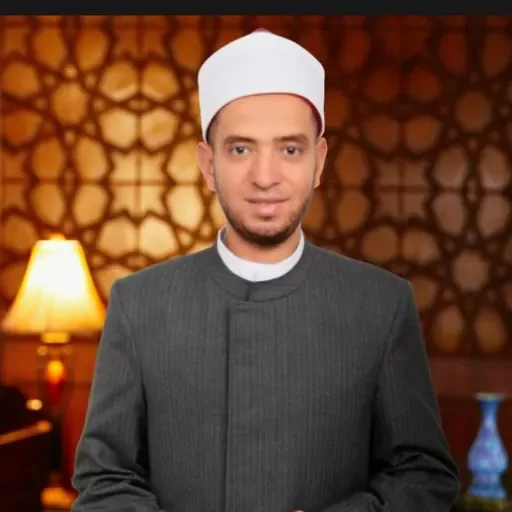 By Ustadh Mahmoud Tantawy
Quick answer
If classmates ask why your Muslim child avoids pork or eats halal food, help them prepare one simple, respectful reply. Listen to how the question made them feel and distinguish ordinary curiosity from repeated teasing. Calm practice at home can make school conversations less intimidating.
The questions every Muslim child in America will hear
If your child goes to school in the United States, they will almost certainly be asked about their faith at some point. “Why don’t you eat pepperoni pizza?” “Why aren’t you eating lunch?” “Where do you go when you leave to pray?” “Why weren’t you at school yesterday?”
Most of these questions come from simple curiosity. Children notice differences and say exactly what they notice. But a question asked in front of a group of friends can feel very heavy to a nine- or ten-year-old, especially if they have never practised what to say.
The real risk is not the question. It is the quiet conclusion a child may draw afterwards: that their religion is something that makes them stand out in an embarrassing way, and that it might be easier to hide it.
FROM OUR TEACHERS
The lunchbox question he replayed all evening
Ustadh Mahmoud Tantawy
A boy told me that a classmate had asked why he didn’t eat the pepperoni pizza served at a school event. Nobody had shouted at him, but the question embarrassed him because other children were listening. He kept replaying what he should have said.
I asked him to tell me what happened before practising any answer. Then we tried two simple replies: “I don’t eat pork because I’m Muslim,” and “No thanks, I brought my own lunch.” He chose the one that felt natural. We also discussed telling his parents or a trusted adult if curiosity ever turned into teasing.
I didn’t want him to think that every question was an attack or that he owed the class a long explanation. The lesson was about answering calmly and keeping his friendships, not winning a debate.
What this story teaches us
01
A question is not an attack
Most classmates are simply curious. Children who know this answer more calmly and keep their friendships.
02
Shame is the real danger
Notice when your child goes quiet. The feeling behind the silence matters more than the incident itself.
03
Practice beats lectures
A few minutes of role-play builds more confidence than a long explanation about why we do what we do.
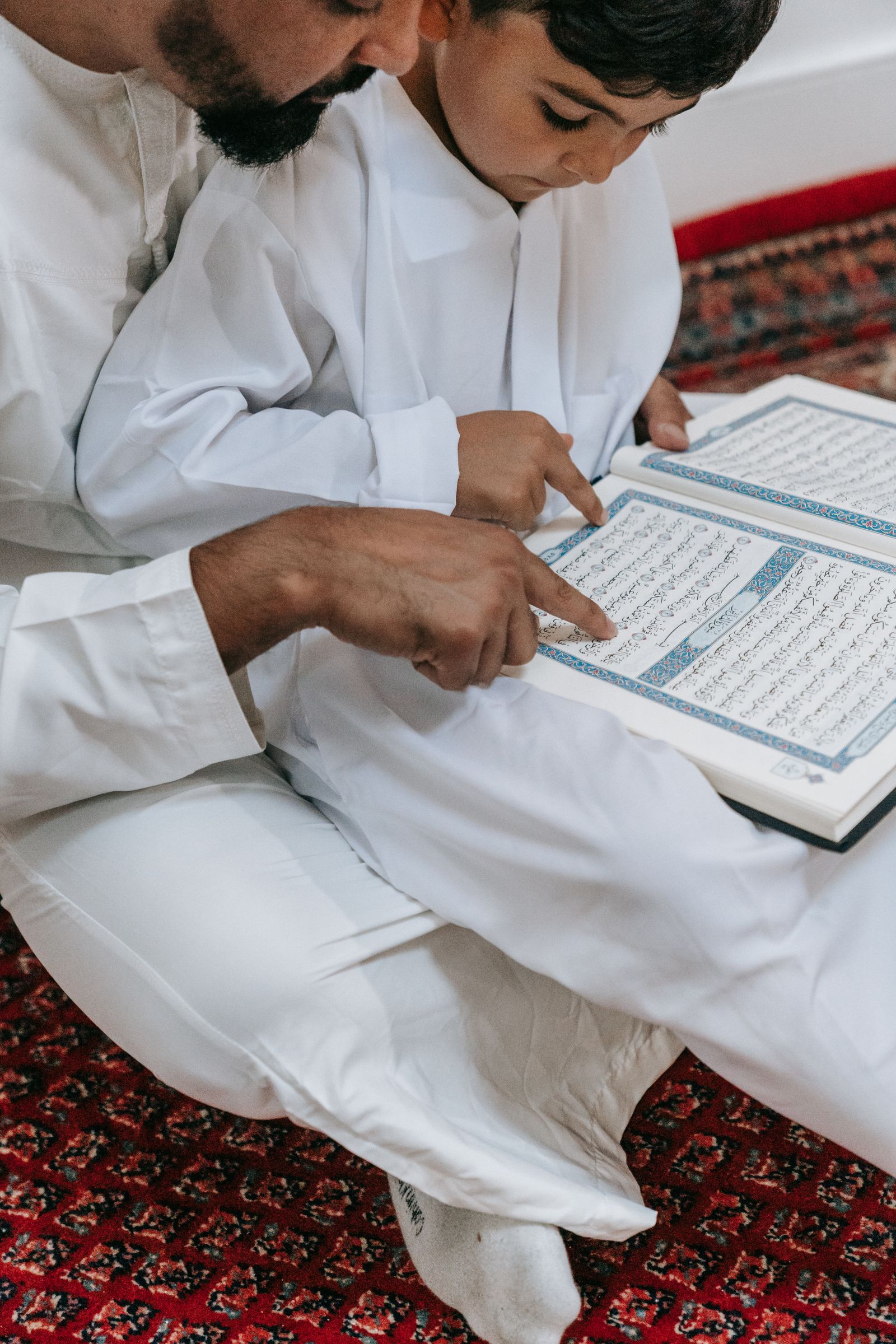
Practise at home: short answers for common questions
You can do exactly what Ustadh Mahmoud did in the lesson. Play the curious classmate, ask the question in English, and let your child answer. Keep it light, like a game. Praise a calm tone more than perfect words. Here are some questions Muslim children in the US often hear, with simple answers they can make their own:
“Why don’t you eat pork?”
“I’m Muslim, and I don’t eat pork. It’s part of my religion.”
“Why aren’t you eating lunch?” (during Ramadan)
“It’s Ramadan, so I’m fasting until sunset. It’s a special month for Muslims.”
“Where are you going?” (at prayer time)
“I’m going to pray. Muslims pray five times a day.”
“Why weren’t you at school yesterday?”
“It was Eid. It’s our holiday, and we celebrate with family.”
The goal is not a script. It is a short, honest answer your child can say in their own voice, followed by carrying on with the game, the lesson or the conversation.
When it goes beyond curiosity
Sometimes a question turns into teasing, and teasing turns into a pattern. If your child is mocked or excluded repeatedly because of their faith, they should not have to handle it alone.
- Listen first, and thank your child for telling you.
- Write down what happened and when, in simple notes.
- Speak with the teacher or school counselor, calmly and specifically.
- Ask how the school handles bullying. Schools across the US have anti-bullying policies, and staff are expected to act.
- Keep checking in with your child afterwards, so they know you are still there.

Don’t wait for the hard day
Confidence is built before the difficult moment, not during it. A few minutes a week of honest conversation, gentle practice and real interest in your child’s school day can make the difference between a child who hides their faith and a child who carries it with quiet pride.
At home, that means asking open questions like “What was the best and hardest part of today?” In lessons, it means teachers who notice when a student is unusually quiet, and who make time to ask why.
Photos: Pexels and Unsplash (Omar Abozeid, Jumanh Jammaz, Abrar Dhalwala).