



Home › Find your starting point › Building on the basics
Building on the basics
Already reading a little? This stage is about accuracy and confidence: applying tajweed while you read, reading more smoothly, and growing real skills in Arabic reading, writing and speaking.
- One-to-one online lessons
- Tajweed taught inside the verses
- Arabic for children and adults
Is this the right stage?
This stage fits if…
The foundations are there, but reading still feels effortful or the next step isn’t clear.
-
Reads, but hesitantly
Letters and words are familiar, yet reading stops often or relies on guessing.
-
Knows rules, not the habit
Tajweed rules have been heard before but aren’t applied while reading.
-
Wants to understand Arabic
Beyond sounds, the learner wants to read, write and speak the language.
-
Needs a steady routine
Progress has stalled without regular, focused practice and feedback.
In the lessons
What the learner works on
Each lesson targets one or two skills, so improvement is something the learner can actually hear and see.
- 1
Tajweed in practice
Rules are learned inside the verses being read, not as terminology alone.
- 2
Smoother reading
Fewer pauses and guesses through guided repetition and correction.
- 3
Arabic reading and writing
Building vocabulary, spelling and clear handwriting step by step.
- 4
Speaking with confidence
Everyday Arabic conversation for older learners and adults.

Programmes for this stage
Your next steps
Choose the skill that matters most right now. The trial lesson helps confirm the right level.
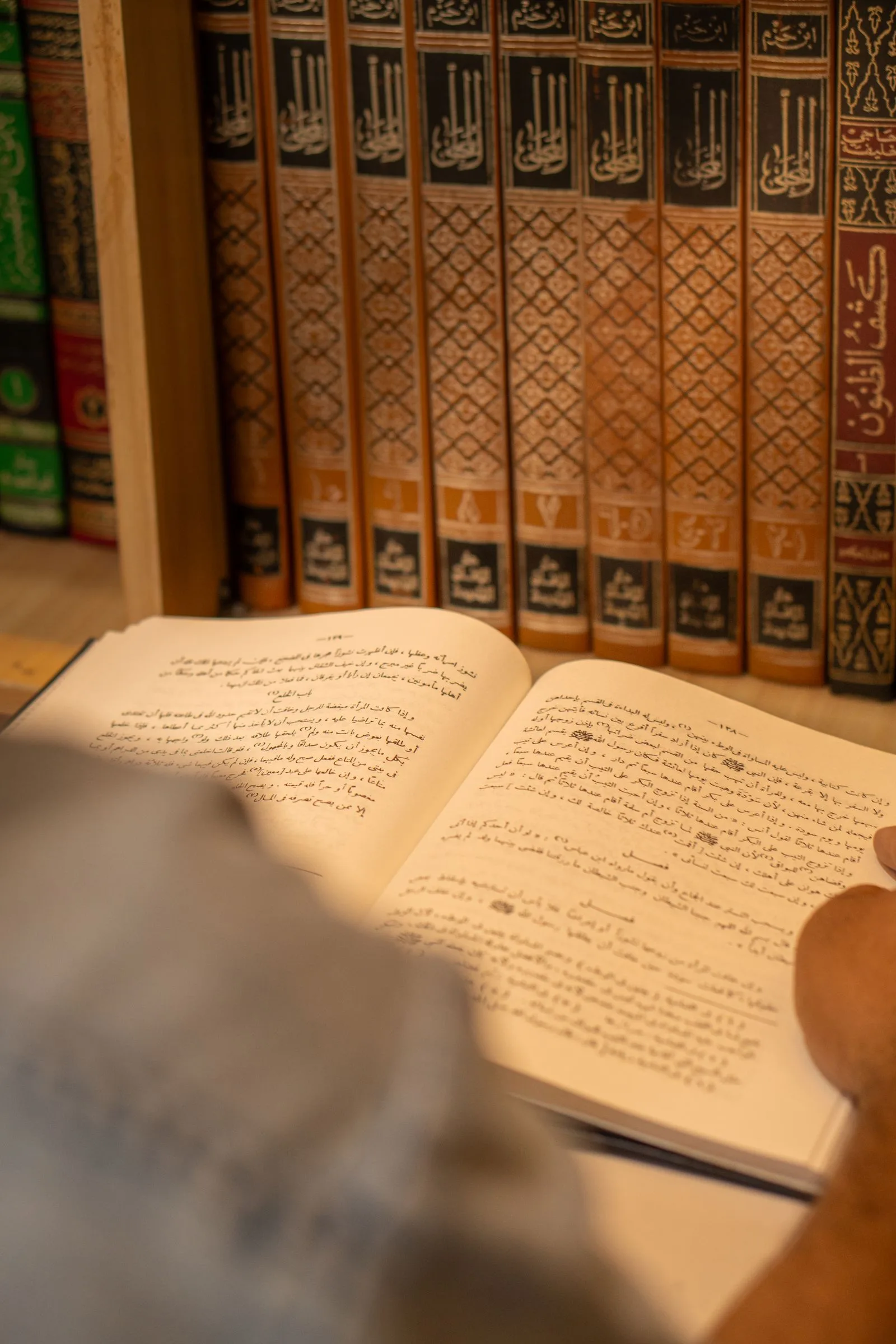
How a lesson runs
Focused feedback, one learner at a time
- 1
Hear where reading slips
The teacher listens closely and notices the sounds or rules that need attention.
- 2
Correct and practise straight away
Mistakes are fixed in the moment, then practised until they feel natural.
- 3
Short practice between lessons
Where useful, the teacher suggests brief, focused exercises that fit family life.
Questions parents ask
Good to know
How do we know this is the right stage?
Tell us the learner’s age and previous experience when you book. The trial lesson then helps confirm the most suitable starting point.
How often should my child attend?
That depends on age, concentration and goals. Once we know your circumstances, we can suggest a realistic rhythm.
Will there be practice between lessons?
Where useful, the teacher suggests short, focused exercises. Practice should support the child, not overwhelm the family.
Ready to take the next step?
Book a free trial and we’ll help you choose the skill to focus on first.